- Open Source CEO by Bill Kerr
- Posts
- Fundraising Fatigue, Hypergrowth & Selling Glovo
Fundraising Fatigue, Hypergrowth & Selling Glovo
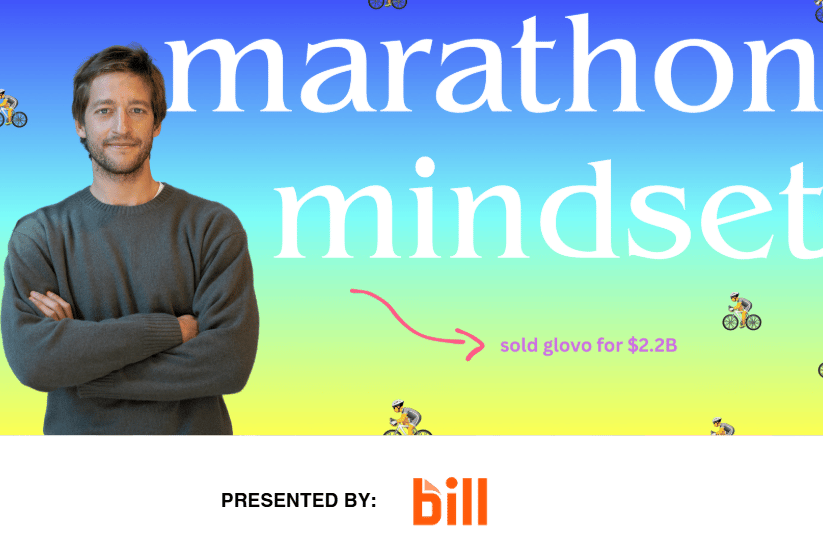
An interview with Oscar Pierre, Co-Founder & CEO at Glovo. 🚴

Bill Kerr
March 15, 2026
👋 Howdy to the 2,543 new legends who joined since our last edition! You are now part of a 300,704 strong tribe outperforming the competition together.
LATEST POSTS 📚
If you’re new, not yet a subscriber, or just plain missed it, here are some of our recent editions.
❤️ How Athyna Makes Remote, Work. Tech, meetings, culture & comms. How to do it and maintain 90% engagement.
🏄🏻♂️ Eight Very Cool Marketing Things. Insights I've found from around the web in the last weeks.
💨 Blue Ribbon, MJ & The Swoosh: The Nike Story. How Nike was founded, the battle it fought and how it got to where it is today.

PARTNERS 💫
Scaling startups face daily challenges. This free toolkit turns those hurdles into growth opportunities.
Download it for real-world strategies on:
• Cash flow control
• Vendor & investor trust
• AI-driven efficiency
Stop manual process drag and scale without adding headcount. Free to download today.

First impressions matter. With Framer, early-stage founders can launch a beautiful, production-ready site in hours. No dev team, no hassle. Join hundreds of YC-backed startups that launched here and never looked back.
One year free: Save $360 with a full year of Framer Pro, free for early-stage startups. *Pre-seed and seed-stage startups, new to Framer.
Interested in sponsoring these emails? See our partnership options here.

HOUSEKEEPING 📨
Fun fact: This newsletter was inspired by an interview series called How Do You CEO? by a buddy of mine, then-Startmate CEO Michael Batko. I got to know Batko through my investing and mentoring at Startmate, the Southern Hemisphere’s best startup accelerator—YC del Sur, some call it—and after nearly a decade at the helm, he’s now out on his own. If you have startup problems, he can probably solve them.

INTERVIEW 🎙️
Oscar Pierre, Co-Founder & CEO at Glovo
Oscar Pierre is the Co-Founder and CEO of Glovo, one of Europe's most successful on-demand tech platforms. Coming from an entrepreneurial family with his father running a digital consultancy and his grandfather operating a food distribution company, Pierre studied aerospace engineering at the Universitat Politècnica de Catalunya before transferring to the Georgia Institute of Technology in the United States.
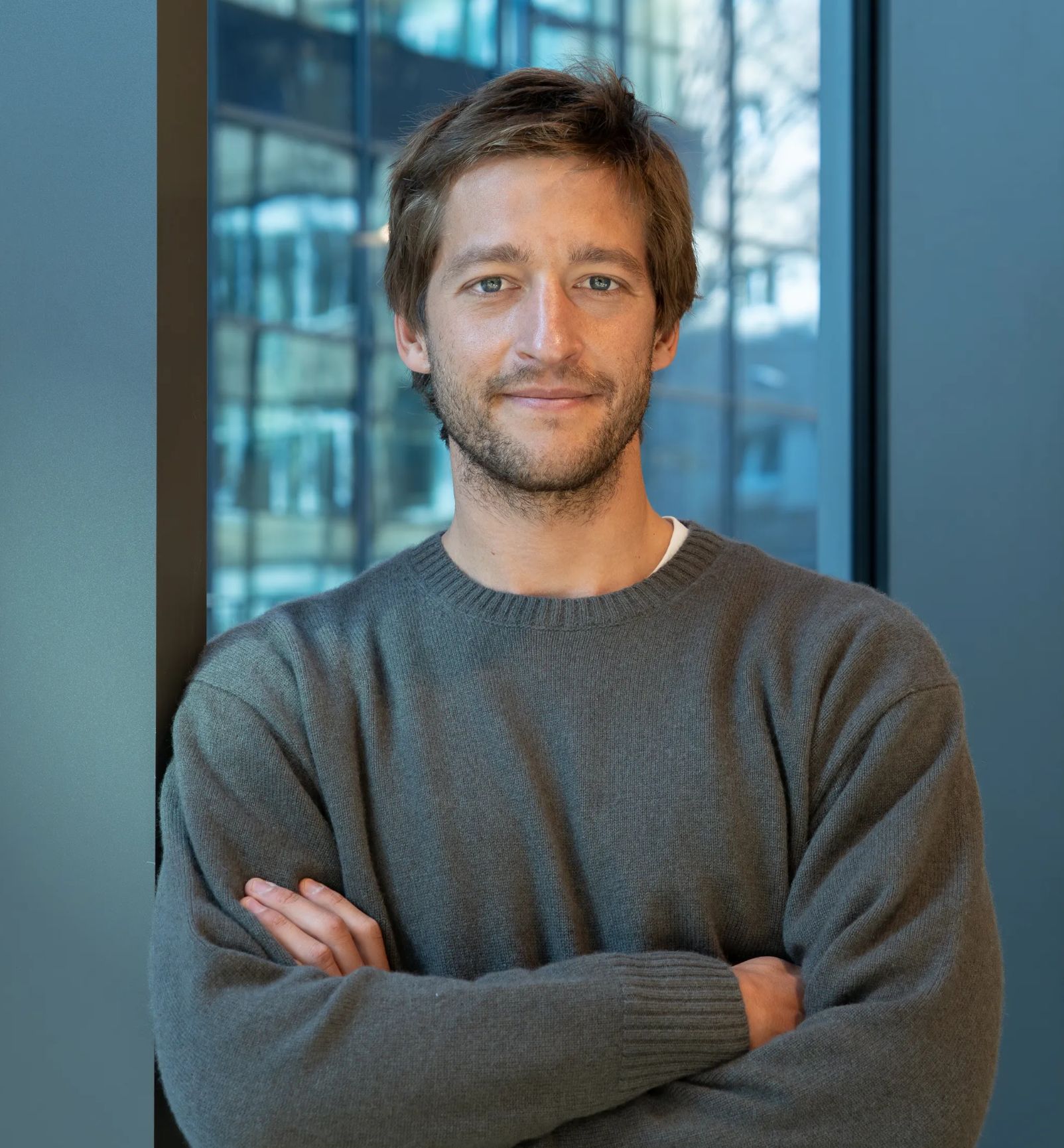
Pierre founded Glovo in 2014, inspired by platforms like Postmates during his studies at Georgia Tech, and met his co-founder, Sacha Michaud, in 2015. Under his leadership, Glovo has grown from humble beginnings—holding early meetings at McDonald's—to becoming a multi-billion-dollar unicorn operating in over 1,800 cities across 22+ countries in Europe, Central Asia, and Africa. In 2022, Pierre successfully navigated Glovo's acquisition by Berlin-based Delivery Hero for €2.3 billion, in which Delivery Hero acquired a 94% majority stake while allowing Pierre and his team to continue operating independently. Despite the acquisition, Pierre remains actively involved as CEO.
What are you building at Glovo?
I was initially inspired more than 10 years ago by the digital platform ecosystem in Atlanta, US, and its impact on the student base there. We identified a new opportunity: rather than transporting people, we could help them with their daily errands.
Growing up, my mum was always running errands for me, my brother, or my dad. I thought we could save people a lot of time by building a digital service that allows you to send keys across town or have milk delivered to your home. Time is our most valuable resource. Our founding vision was to help people make the most of their day by making things accessible through tech and delivery. Soon, however, people began using Glovo to order food from McDonald's and other restaurants, which indicated that the initial focus should be on food and making it possible to order and receive it from home. There were apps in place, but they only connected restaurants to customers; they didn't provide the rider intermediation service.
What was the most difficult when going from zero to one?
The hardest part was building a marketplace from scratch. Glovo wasn’t just a two-sided marketplace, but a three-sided one, which made the chicken-and-egg problem even harder. It was very difficult to convince restaurants and riders to join when there were zero orders. We had to be creative. We gave riders credit cards so they could buy from any store, which allowed us to operate as a two-sided marketplace at first.
Fundraising was the other major challenge. The business required very large rounds, and raising that capital from Barcelona was tough. There was a strong bias that winners in this space would come from the US or the UK, and that scepticism made fundraising significantly harder in the early years. Additionally, each time we expanded to a new territory, we started from zero again. You need to be the number one or two choice in a country to be able to really grow and become profitable, so the first-mover advantage in each case is super vital.
At what point did you crack the chicken-and-egg problem?
There were a few moments when it became clear that the model was working. The first was when we realized that if you upload enough high-quality content into an app that enables delivery, people will order. We listed big chains and top restaurants, and customers were willing to pay high delivery fees and repeat the experience. Once we had around 100 customers who genuinely loved the product, we knew there was something there.
The second moment was signing our first high-quality restaurant partner, a sushi restaurant in Barcelona. For the first time, a restaurant agreed to pay a meaningful commission, helping validate the model's economics.
The third and biggest moment was signing a commercial agreement with McDonald’s in Spain. We were the first to break their exclusivity with Uber Eats. That deal didn’t just prove the model worked—it showed that we had earned the right to compete, even as a young and underfunded team. |  |
Inbound interest started once we proved that customers were actually ordering. After we launched with a large amount of content and saw people paying delivery fees and coming back, restaurants began to take us more seriously.

Speed of light.
It accelerated when we signed our first high-quality restaurant in Barcelona and, later on, McDonald’s in Spain. Those wins validated the model and made it much easier for other restaurants and partners to approach us proactively.
What is your main day-to-day job as CEO?
Today, most of my time is spent on operations. A large part of that is dedicated to structured business reviews. Every semester, I define around 15 to 20 key topics that act as a proxy for our OKRs, and each one has a clear owner. We run monthly, documentation-first meetings for each topic, with detailed written documents and structured discussion. This cadence creates accountability, speed, and alignment across the organization.
Beyond that, my time is spent communicating with the team, hiring, reviewing performance, and handling ad hoc strategic and operational issues. I also see so much potential for Glovo to expand even now. We're looking towards 10x growth in the future. I see a big part of my role as sustaining a culture that is hard-working and driven. Maintaining that kind of energy and work ethic is vital if we are to successfully build the future of online commerce.
What noticeably changed after adopting documentation-first meetings?
It significantly increased discipline across the company and made it much clearer which teams and individuals were underperforming. Performance discussions became more objective, rather than based on intuition or gut feeling.
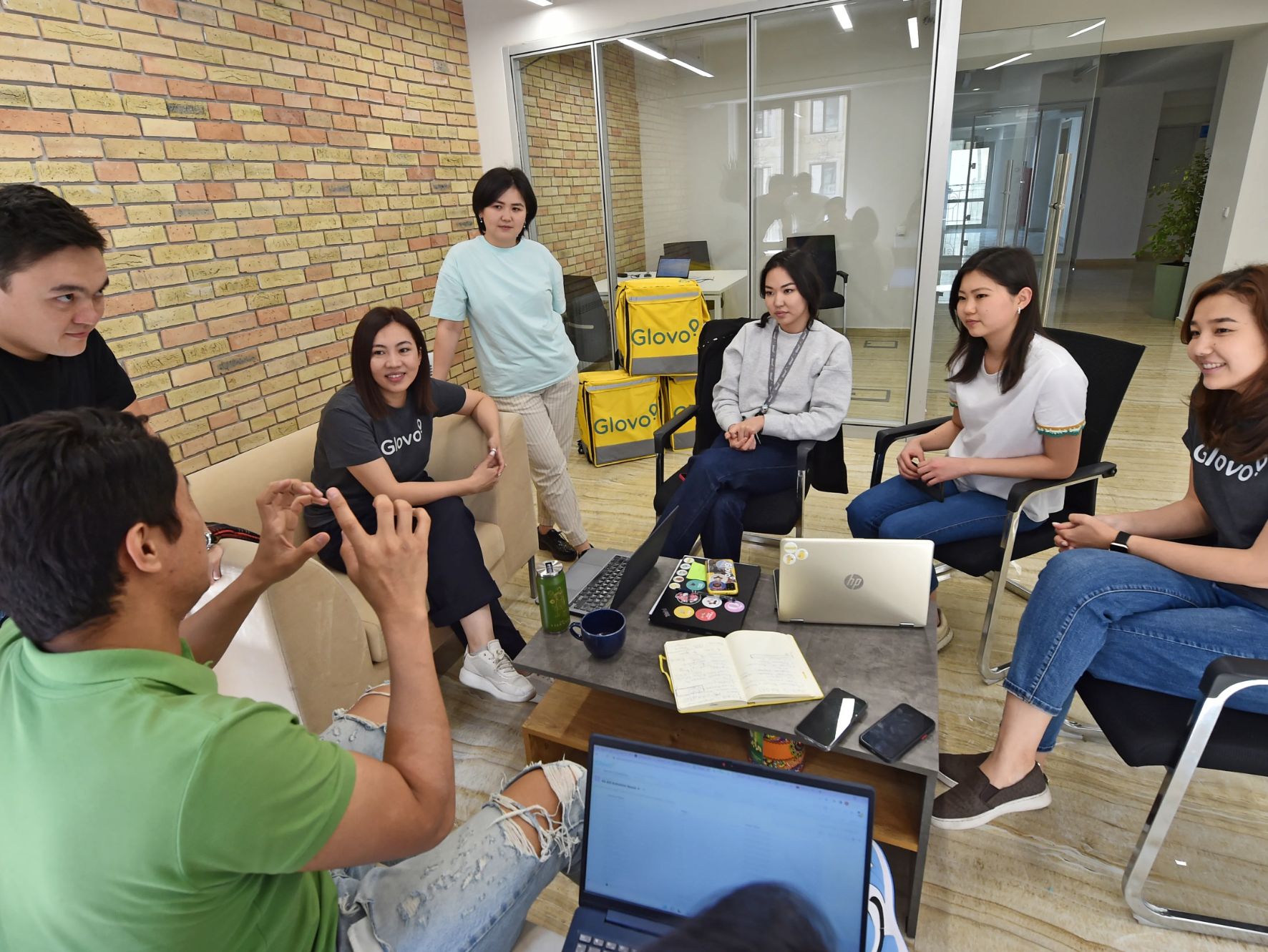 |  |
The format also raised the quality of thinking and execution. Writing encourages clarity, and it’s much harder to hide problems in a written document than in slides. While it requires more mental effort and time to read, the tradeoff has been worth it because it drives faster execution and better accountability.
What’s your philosophy around leadership?
As a leader, I hold myself accountable for driving high-velocity output, day in and day out. Together with my leadership team, I set ambitious OKRs that define where we’re headed, and I push our teams to always move faster, deliver better, and raise the bar every single day. I’m there to drive the company forward by promoting hard work, ownership, and high standards.
When I’m shown a report or plan, my job is to find ways to strengthen it, because saying something is ‘fine’ doesn’t inspire people to push harder. The only way to achieve real growth is through transparency, relentless energy, and consistent drive. I can’t sit back and expect progress to happen on its own.
How has your role evolved over time?
In the early stage, I did everything. I was writing emails and push notifications, setting rider pricing, signing up restaurants, taking support shifts at night, and sometimes even delivering orders. We were extremely scrappy for the first two to three years because fundraising was very hard, and I was constantly on my phone dealing with issues as they came up.
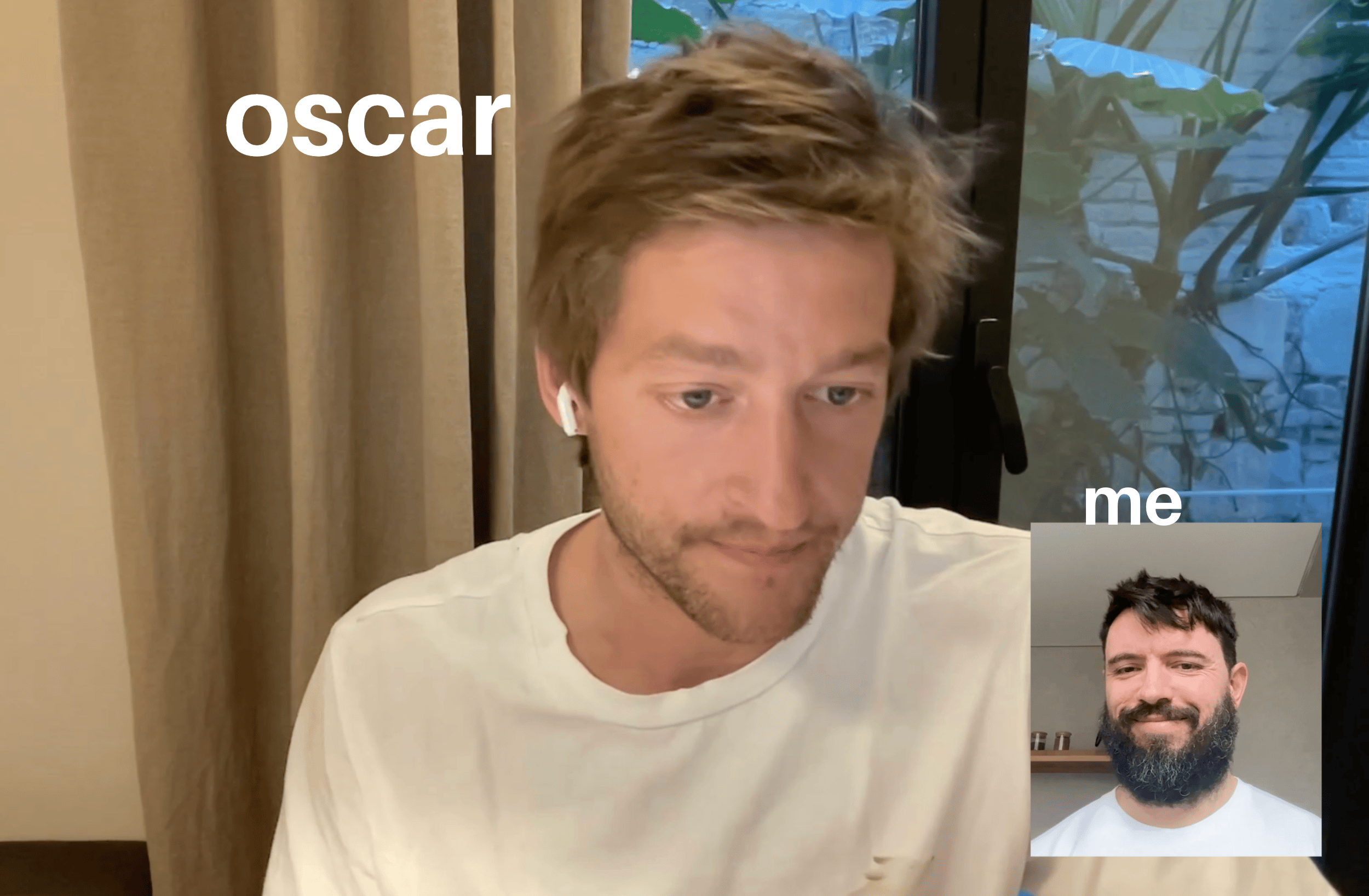
BTS (not that exciting).
As the company grew to around 100–150 people, my role shifted heavily toward fundraising. At that point, the business was scaling rapidly and needed large amounts of capital, so 60-70% of my time was spent raising money and managing shareholders. Outside of fundraising, my main focus was building a strong leadership team to move the business forward.
After the acquisition, fundraising disappeared almost entirely. With only one shareholder to manage, I was able to shift my focus back to operations. Today, most of my time is spent driving execution through structured reviews, working closely with teams, and going deeper into the business again.
What does goal setting look like at Glovo?
Our ultimate goal is to build the future of online commerce, creating a new way of city living that seamlessly connects our physical and digital worlds, where anyone can get almost anything in their city, in their home, within minutes. Every metric we track is designed to move us closer to that goal, and I constantly push our teams to move faster, deliver better, and raise the bar every single day.
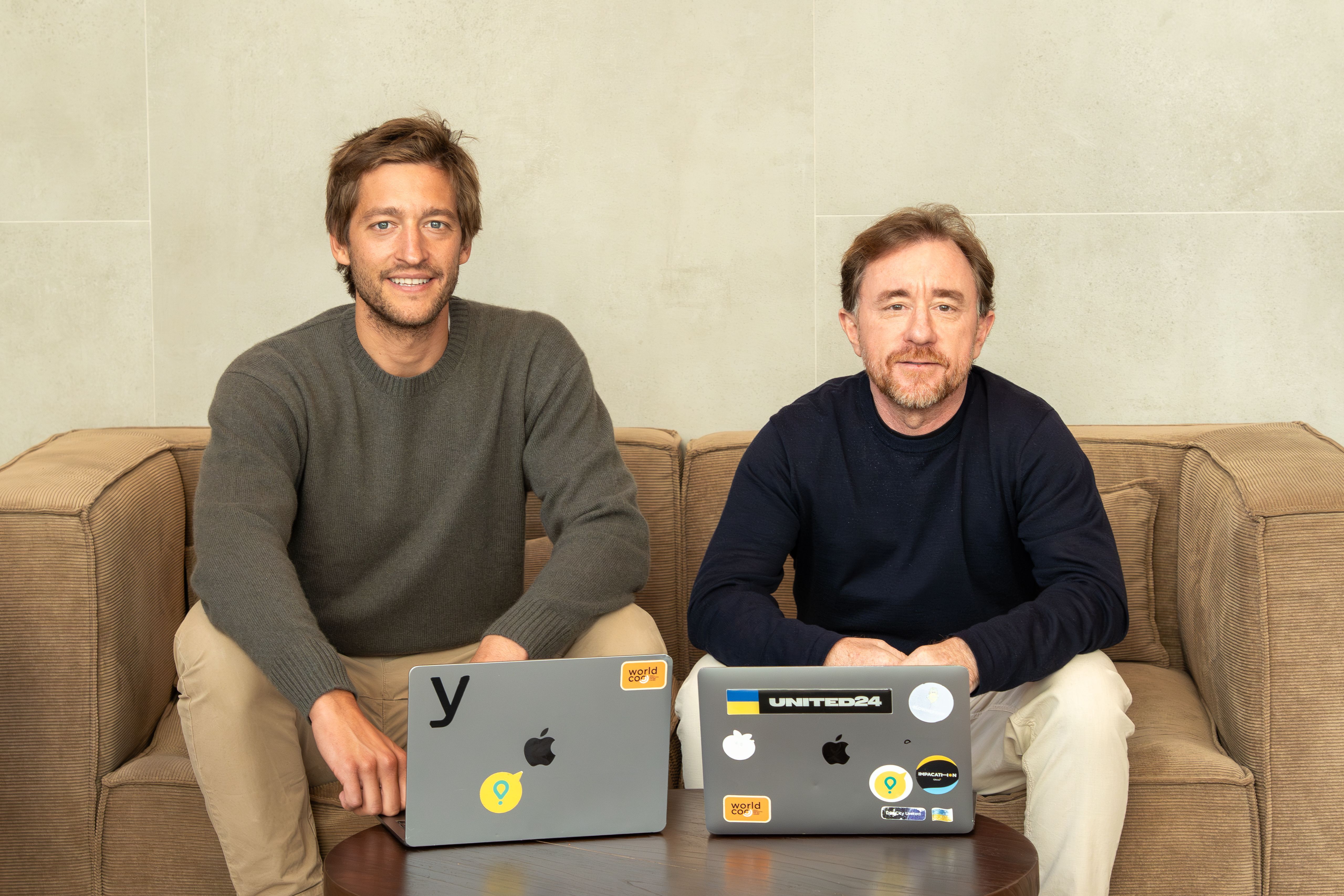
The potential for growth at our company is so vast that there’s never a shortage of goals, whether it’s expanding into new Q-Commerce categories, improving the customer experience with innovative features, or building world-class technology. We’re always looking ahead and finding new ways to grow. Everything we do is informed by data, a principle that has served us extremely well so far; when there’s a strong, data-led case for a business decision or a shift in strategy, we act on it decisively.
How do you build culture?
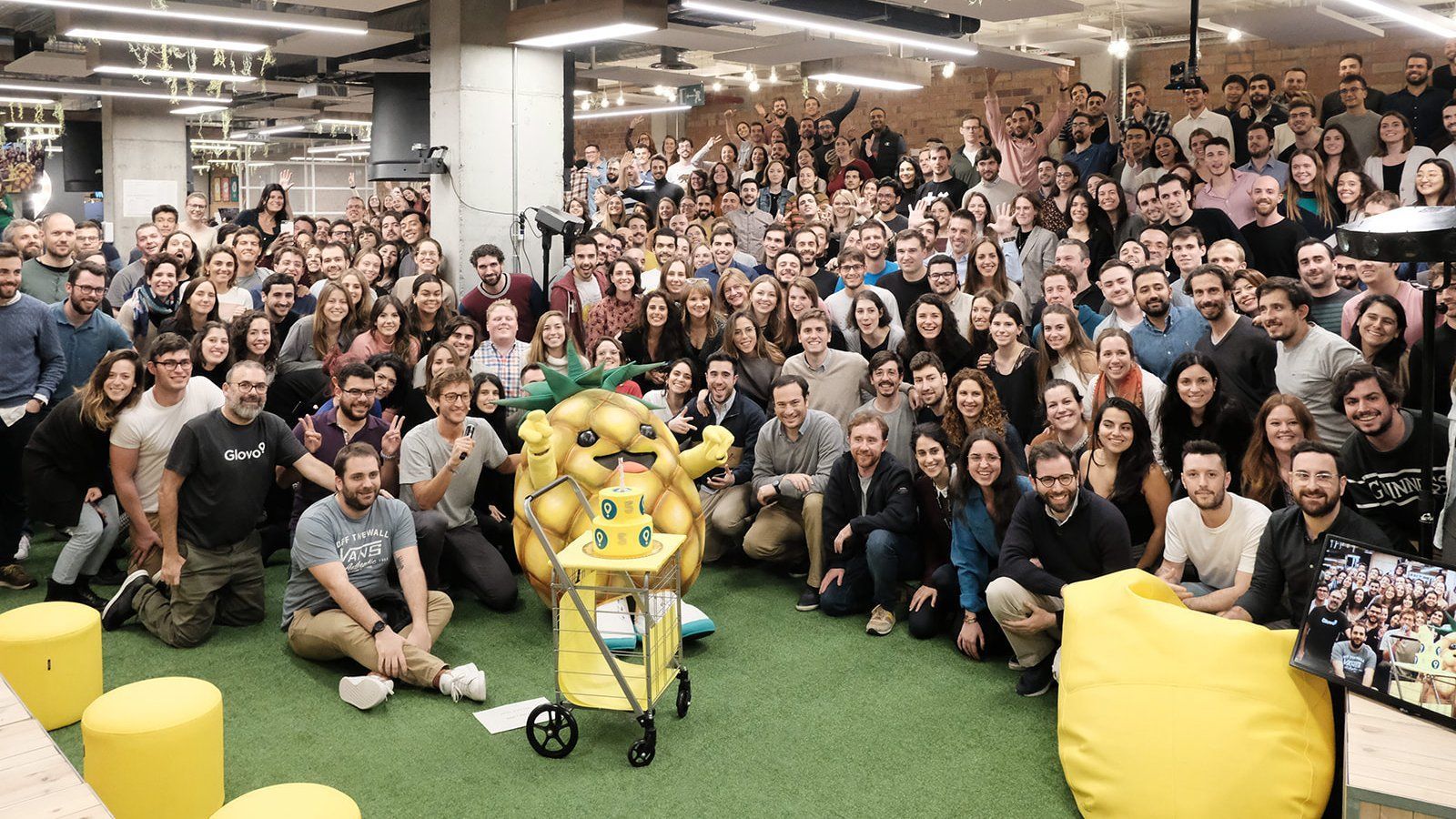
Culture is built face-to-face at the office, through hard work, constant problem-solving, rolling up your sleeves, and leading by example. It's important to always keep the bar high, and the best way to do that is to surround yourself with people more talented than you.
The workforce we've built at Glovo is inspiring; every hire is based on cultural fit. We communicate our company values at the earliest stages of the hiring process. If the prospective employee isn't aligned with and on board with what we, as a company, value most, we know immediately it's a hire that won't work out. I actually hold myself responsible for messing up our culture at one point. |
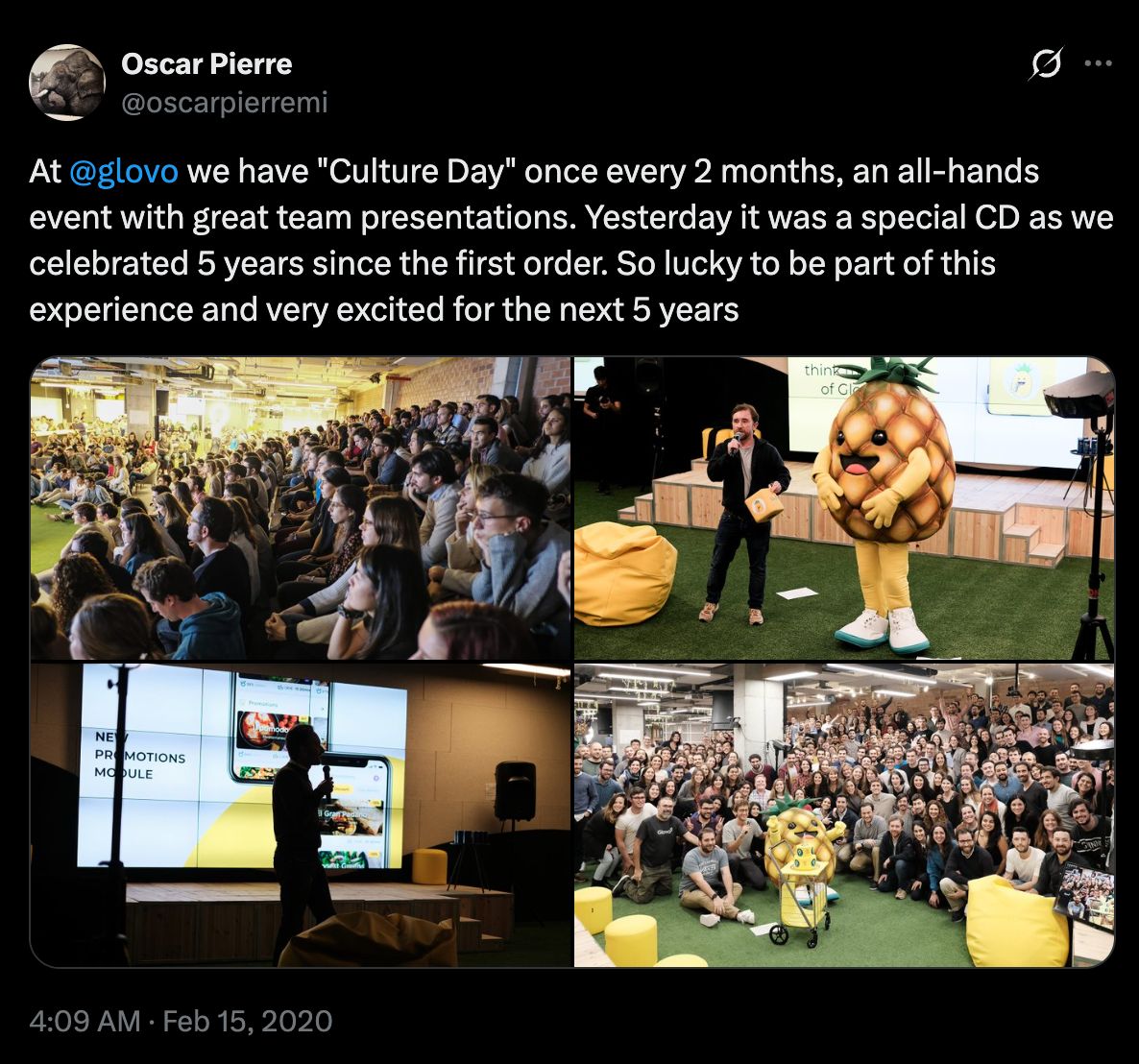
At around the 1,000-employee mark, I was beginning to get feedback that my communication style was too direct. I felt obliged to tone it down and start speaking more like a politician. The result, however, was a workforce not encouraged to give it their all. I heard from one of our engineers that a rival company approached them, but they declined because "that other company works really hard." That hit me because Glovo needed to be the company that ‘works really hard’ in order to succeed. So it took a bit of a cultural rebuild at that point. We started at the top and worked down.
Some of the team didn't want to return to the work rate of the early Glovo days, and it took about a year of changes in how we worked to turn the situation around. We had to communicate across the board what we expected in terms of work and effort, from the recruitment stage through to the day-to-day running of the company. As a leader, it was my responsibility to add velocity and raise the standards.
How are you thinking about AI on a day-to-day basis?
We see AI as an enabler to make our platform smarter, faster, and more efficient for all our stakeholders: customers, riders, partners, and Glovo teams. AI supports many of our day-to-day operations, both in what users experience directly and in what happens behind the scenes.
On the customer side, AI helps us improve the overall app experience: from how food menus and product categories are organized to how we personalize recommendations or ensure accurate translations across markets. Behind the scenes, it drives automation across finance, legal, operations, and customer support. For example, we use AI tools to process invoices automatically, summarize legal documents, or even train our service agents through simulated conversations.
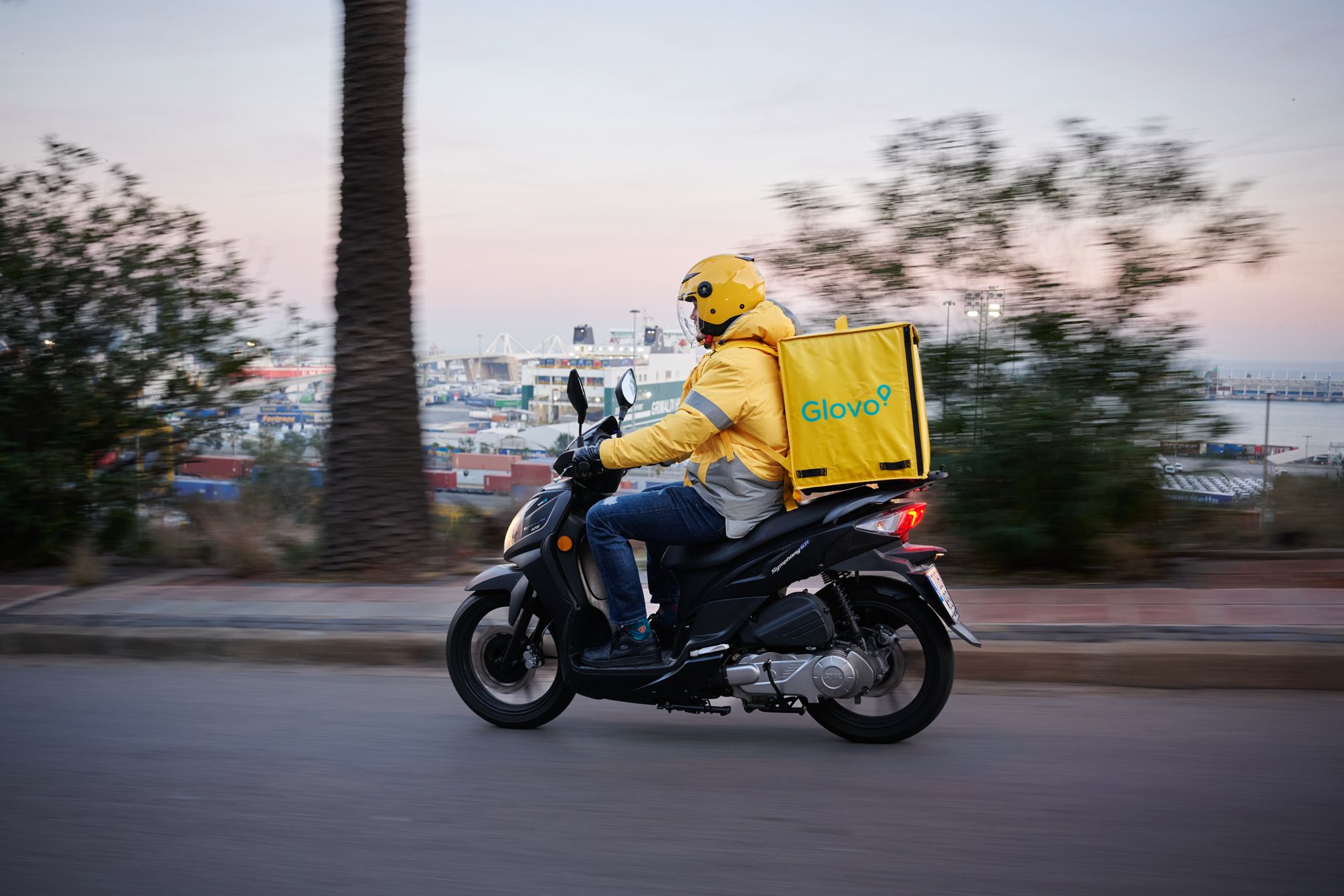
Across the company, AI is also used to make teams more productive and data-driven. AI is helping engineers code faster, product managers query data more easily, and designers generate content at scale. In short, AI allows Glovo to operate more intelligently and focus our human talent on creativity, innovation, and delivering a better experience for our ecosystem.
What led you to decide to go ahead with the acquisition?
The main driver was scale. In our industry, the biggest players operate on a massive scale, allowing them to invest far more in technology and compete aggressively in specific markets. Even though we had a strong scale in Spain and operated in 25 markets with around €3B in top line, we were still very exposed compared to companies like Uber or DoorDash.
At the same time, there was significant fundraising fatigue. For the first seven years, we raised a new round roughly every nine months, and none of them were easy. The constant pressure, rejections, and uncertainty took a mental toll on the team, the board, and me personally. At a certain point, it felt like the right decision was to secure the value we had built rather than keep putting it at risk.
Was selling the company always the plan? And why did you stay on?
Selling the company wasn’t the original plan. It emerged over time as the industry evolved. As competition intensified and the biggest players pulled further ahead on scale, it became clear that staying independent carried increasing risk. After years of nonstop fundraising and operating under constant pressure, the idea of selling became a rational way to protect the value we had created. It was a gradual shift driven by market dynamics and the realities of sustaining growth in such a capital-intensive industry.
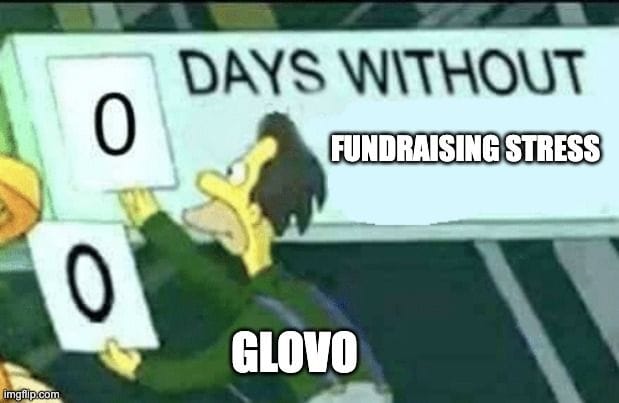
Today, I’m an employee like anyone else, with a normal salary and compensation. The earn-out period ended years ago, so financially, there’s no longer a special structure tied to the acquisition. I report to a single shareholder now, Delivery Hero, which has actually simplified things a lot. There’s more formal reporting and alignment, but it only takes a small portion of my time. The rest focuses on running the business, allowing me to stay deeply involved in operations and execution.
I decided to stay because the industry is still very young and full of opportunity. There’s a lot of growth ahead, and the business remains technically, operationally, and strategically challenging, especially with regulation and margins. |  |
I also have a lot of autonomy to run the company, which is critical for me. As long as the role remains challenging and I can keep building. Beyond that, Glovo is extremely present in daily life in the cities where it operates. Seeing it constantly used by customers, restaurants, friends, and family creates a strong personal connection that makes it hard to walk away.
How do you get the best out of yourself personally and professionally?
For me, it really starts with health. Over the years, I’ve continually raised the bar for how well I sleep and how consistently I exercise because I’ve seen how directly they impact my performance. Having a strong daily routine has become increasingly important, and I make sure to do some form of training before going to the office, even if that means arriving a bit later in the morning. I’ve also learned that variety matters. I used to focus almost entirely on cycling, but I eventually got bored. Now I mix different activities like climbing, tennis, gym sessions, and cycling. That variety keeps me motivated and makes it much easier to stay consistent over time. When I take care of my health and feel physically and mentally energized, I’m far more effective as a leader.
In the end, I enjoy my work. Since the acquisition, I’ve spoken to founders who’ve exited, and what I found was that those who moved into wealth management, away from the grind of running a business, were, more often than not, unhappy. | 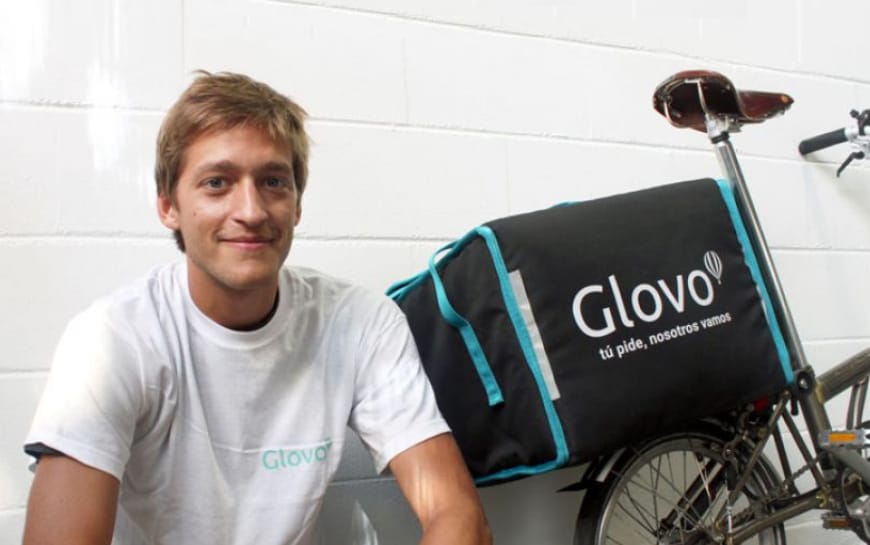 |
Solving problems, going to the office every day, and spending time with my team; that is what fulfills me. So, in that sense, getting the best out of myself professionally comes naturally. Right now, it's super clear: work is really important for me. It keeps me going and makes me happy. For me, it's very clear: I will keep working until the day I die.
Extra reading / learning
Arctic Vaults, AI Agents & The Future Of Dev Tools - June, 2025
Launching Athyna Intelligence - January, 2026
Neighbors Feeding Neighbors, At Scale - February, 2026
BRAIN FOOD 🧠
TOOLS WE RECOMMEND 🛠️
Every week, we highlight tools we like and those we actually use inside our business and give them an honest review. Today, we are highlighting Hyperbound*—the AI sales coach to help you quickly evolve and reinforce your playbooks as you scale.
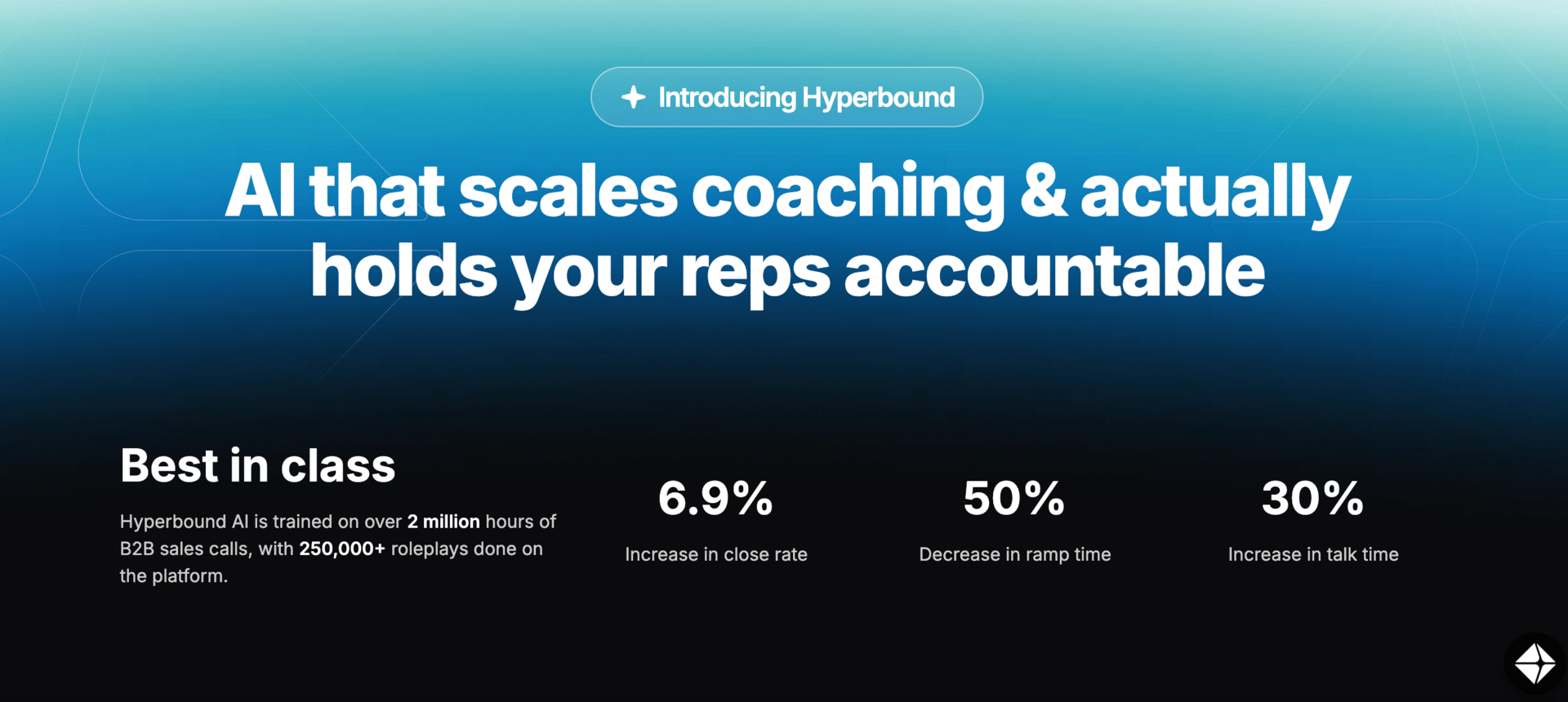
See the full set of tools we use inside of Athyna & Open Source CEO here.
HOW I CAN HELP 🥳
P.S. Want to work together?
Hiring global talent: If you’re hiring tech, business or ops talent and want to do it 80% less, check out my startup, Athyna. 🌏
See my tech stack: Find our suite of tools & resources for both this newsletter and Athyna here. 🧰
Reach an audience of tech leaders: Advertise with us if you want to get in front of founders, investors and leaders in tech. 👀
 |
Reply