- Open Source CEO by Bill Kerr
- Posts
- Launching Athyna Intelligence
Launching Athyna Intelligence
An interview with Bill Kerr, Founder & CEO at Athyna. ⚡️

Bill Kerr
January 29, 2026
👋 Howdy to the 2,445 new legends who joined this week! You are now part of a 245,375 strong tribe outperforming the competition together.
LATEST POSTS 📚
If you’re new, not yet a subscriber, or just plain missed it, here are some of our recent editions.
😩 Your First Product Will Be A Dumpster Fire. Teething problems of world leading companies.
🏭 From eBay To Scaling Language AI. An interview with Bryan Murphy, CEO at Smartling.
🫠 Getting To Know Me: Sliding Doors. A little bit about, presented by, well, you guessed it, me.

PARTNERS 💫

Framer is the design-first web builder that helps startups launch fast. Join hundreds of YC founders already building on Framer. What you get with this deal:
Fast, professional site—no dev team needed. ✔️
Scales with your startup—from MVP to full site. ✔️
Spots are limited—apply before October 31st to claim your free year. *Pre-seed and seed-stage startups. New Framer users only.

As payment flows grew more complex, Europe’s leading second-hand marketplace turned to Temporal to simplify orchestration at scale.
By replacing brittle background jobs with durable Workflows, Vinted runs 10M+ executions daily with higher reliability, clearer logic, and lower infrastructure costs, proving that resilient systems can also move fast.
Interested in sponsoring these emails? See our partnership options here.

HOUSEKEEPING 📨
Continuing my mission to destroy fake news and false narratives, I have more interesting counter-narrative data coming out of Texas, showing violent crime rates in the U.S. by citizenship/documentation status. Clearly, the safest: undocumented. Followed by documented immigrant,s and lastly, the most dangerous being the local population.
*The data was released last year, and is an old sample, but any dataset you see will tell the same story.
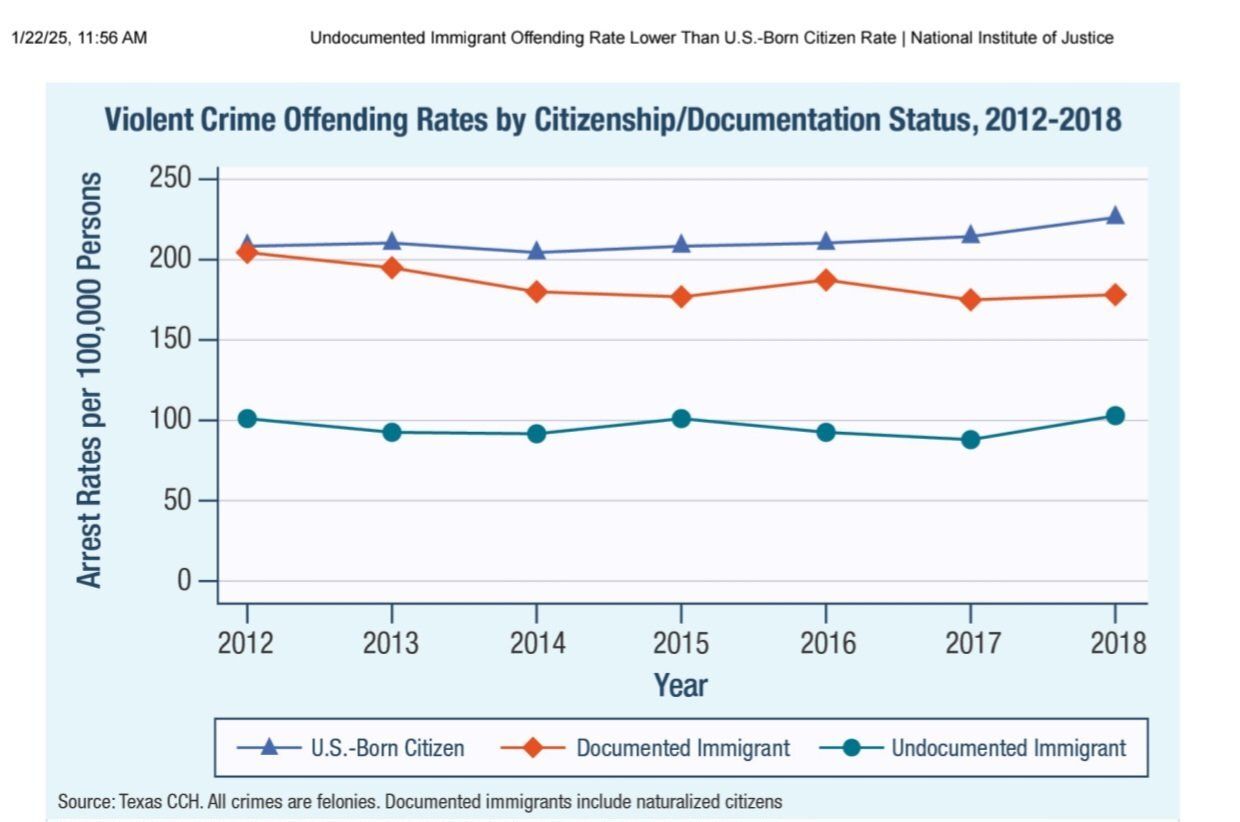
Source: US DOJ.
This trend rings true in Australia and the UK also. If you listened to the U.S. administration or the fast-growing far-right parties in both countries, they’d tell you the opposite. They’d lie to you. Crime isn’t the only narrative anti-immigration folks have; there are others—housing undersupply, for example—that are valid, but crime is not. It infuriates me that people who are supposed to be our leaders lie to us every day to divide us. Anyway, enough of that. Enjoy today’s piece. It’s an interview with me!

INTERVIEW 🎙️
Bill Kerr, Founder & CEO at Athyna
Bill Kerr is the Founder & CEO at Athyna. And it’s me, the founder, writer, and editor-at-large of this newsletter. Today, we are having Athyna’s General Manager, Argentino Molinuevo, interview me on our new product launch, Athyna Intelligence.
I'll be honest, I didn't wake up one day planning to get into AI training. Athyna's been around for years connecting teams with talented people from Latin America: engineers, designers, data scientists, the works. We've placed thousands of people and learned what matters when scaling a team across borders. Then something shifted. The AI industry began facing a constraint that few people were discussing: expert talent. Not just any talent, but PhDs who can actually push models past their current limits.
Every AI Lab and Fortune 500 with a budget is now trying to hire from the same exhausted talent pool in the same expensive cities. It's not sustainable. So we asked ourselves a pretty obvious question: what if we stopped looking in the same place as everyone else? That's how Athyna Intelligence started. Athyna Intelligence is a talent service that connects AI labs and Fortune 500 companies with pre-vetted PhD and Master’s-level researchers from Latin America. We didn’t create it as some grand pivot, but as an extension of what we'd been building for a decade. We already knew Latin America had the talent, now it’s time for it to power the next generation of AI.
What is the problem you're trying to solve?
Look, compute is obviously critical. You need serious hardware to train frontier models, and that's not changing. But there's another pillar that's just as fundamental, and it's getting way less attention: the expert hours behind AI training.
Post-training is when AI stops being a statistical parlor trick and becomes useful. It's where models learn to actually reason through problems, follow complex instructions, and avoid the catastrophic failures that make users never trust them again. And every single step of that process needs an expert: real domain specialists spending real hours evaluating outputs, writing reasoning chains, and catching the subtle problems that matter.
Expertise isn't geographically bound, though. Latin America churns out tens of thousands of Masters and PhD graduates every year in mathematics, physics, computer science, biology, law. All the disciplines that matter for making models smarter. Researchers who can construct rigorous arguments, spot logical fallacies, and bring real domain knowledge to the table.
Athyna Intelligence is just the obvious answer to an obvious problem. The talent exists. The need is screaming. Somebody had to build the bridge.
Why Latin America? What makes it different from other regions?
Three reasons to choose Latin America, and they're not subtle. First, time zones. If you're running AI operations out of the Bay Area and you need expert feedback on a new dataset by morning, having your team twelve hours ahead or behind kills your iteration speed. Latin America sits in basically the same working hours as the U.S. You can collaborate in real time, fix problems as they emerge, and avoid the whole ‘let's reconvene tomorrow’ death spiral that slows everything down.
Second, the academic backbone is real. Latin America has strong academic programs, deep ties to global research networks, and a culture that takes scientific training seriously. We're tapping into a pool that's been underutilized because no one built proper infrastructure around it.
Third, economics. And I don't mean cheap labor, I mean structural leverage. When expert hours are more accessible, companies can afford to run comprehensive evaluations, test more edge cases, and invest in the kind of thorough training that actually improves models. It's unlocking capacity that didn't exist before.
What's the process that enables you to move fast?
We didn't build this overnight. Athyna has been placing Latin American talent since 2018: engineers, designers, product managers, and the whole spectrum. We've done it thousands of times, so we know what works and what doesn’t. The advantage is the infrastructure we built that makes quality hiring fast, instead of making you choose between the two.
First, the talent pool. We're sitting on a database of hundreds of thousands of professionals across Latin America. People we've actively sourced, screened, and keep relationships with. When a company comes to us needing a specific skill set, we're not starting from scratch. We already know where the talent is.
Second, the matching tech. We built our proprietary AI algorithm, Athyna AI, that does the heavy lifting. It evaluates technical skills, experience patterns, cultural fit indicators, and matches them against what you actually need. This is trained on years of successful placements and learns what ‘good fit’ actually means in practice. We move roughly 3-4x as fast as we did pre-building Athyna AI.
Source: Athyna.
This is the advantage of human-led, yet AI-powered workflows: the technology handles speed and scale, while people handle judgment. You get the efficiency of automation with the precision of human evaluation. Recruitment, after all, is sales. And sales is still a game of trust.
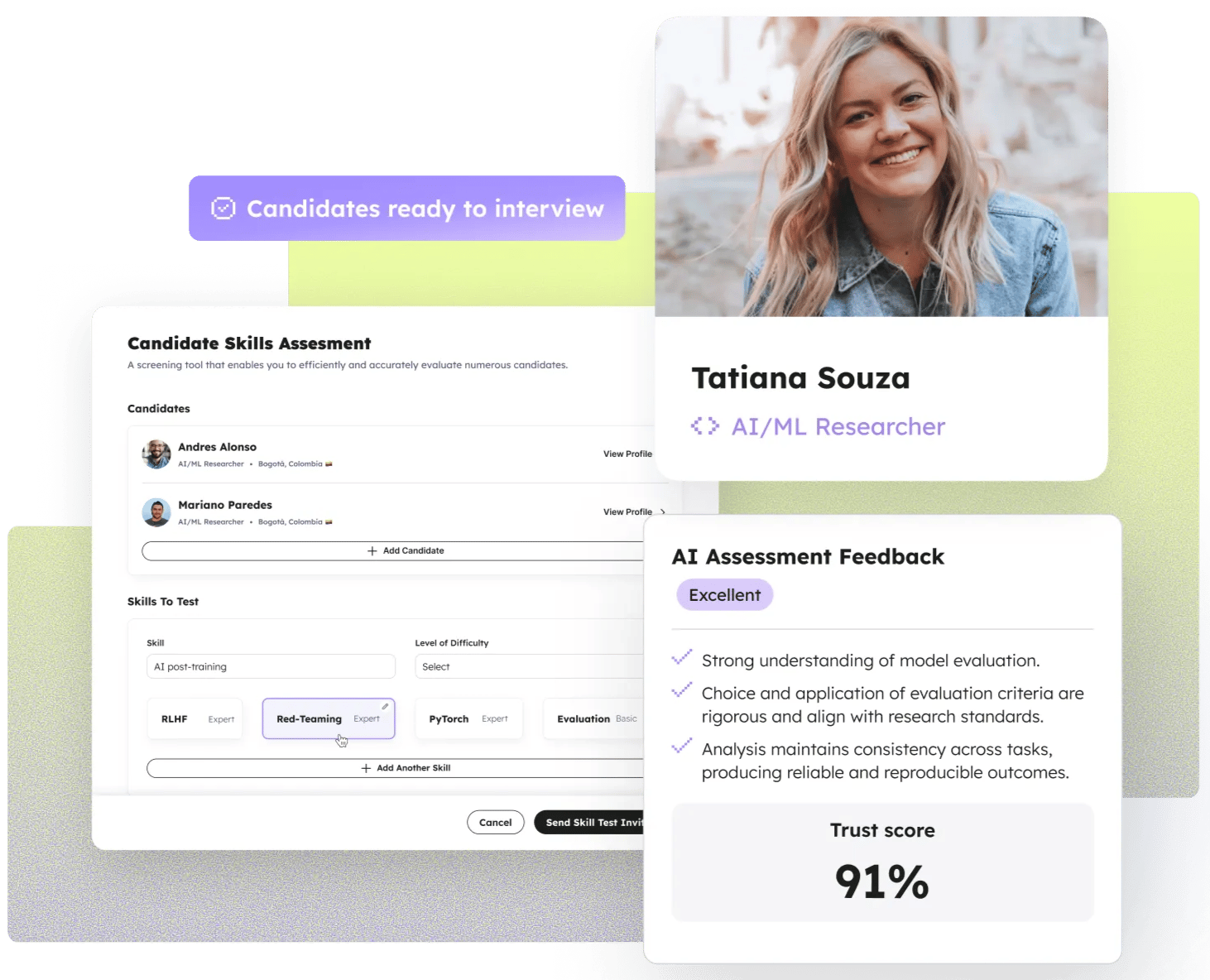
For technical roles, we run embedded assessments. Actual work simulations that show us how someone thinks, codes, debugs, and collaborates under real conditions. Now we're taking that same infrastructure and applying it to a completely different challenge: finding PhD-level researchers for AI post-training. Different talent pool, different eval criteria, but the same backbone that's already proven it works at scale.
Walk me through how Athyna Intelligence actually works?
We start with people. Because if you don't have the right experts involved, nothing else matters. First, we connect companies with vetted PhD and Masters-level researchers from Latin America who can contribute immediately. Not ‘we'll train them up in six months.’ Not ‘they'll shadow someone for a while.’ Ready to go, day one.
From there, we will build around those experts. Workflows that actually scale. We will design the processes that turn expert judgment into consistent, repeatable training output. RLHF pipelines, reasoning-heavy annotation, evaluation protocols, quality assurance loops, all of the dirty work that powers the LLMs.

Source: Athyna.
And we don't do this in a vacuum. We will work directly with design partners: real AI teams with real production needs to shape how tasks get structured, reviewed, and iterated. The workflows we will build aren't theoretical. They'll be tested against actual model development challenges, refined based on what works, and designed to deliver speed and accuracy at the same time.
The goal is simple: turn global expertise into reliable AI training outcomes. Start with the right people, build practical workflows around them, and let everything else follow from there.
What convinced you there was real demand for this?
The data's clear if you're paying attention. Roles like AI Engineer, AI Consultant, AI/ML Researcher barely existed five years ago. Now they're in the top 5 fastest-growing positions across the U.S. That's not hype. It’s companies desperately scrambling to find people who can make their AI investments actually work.
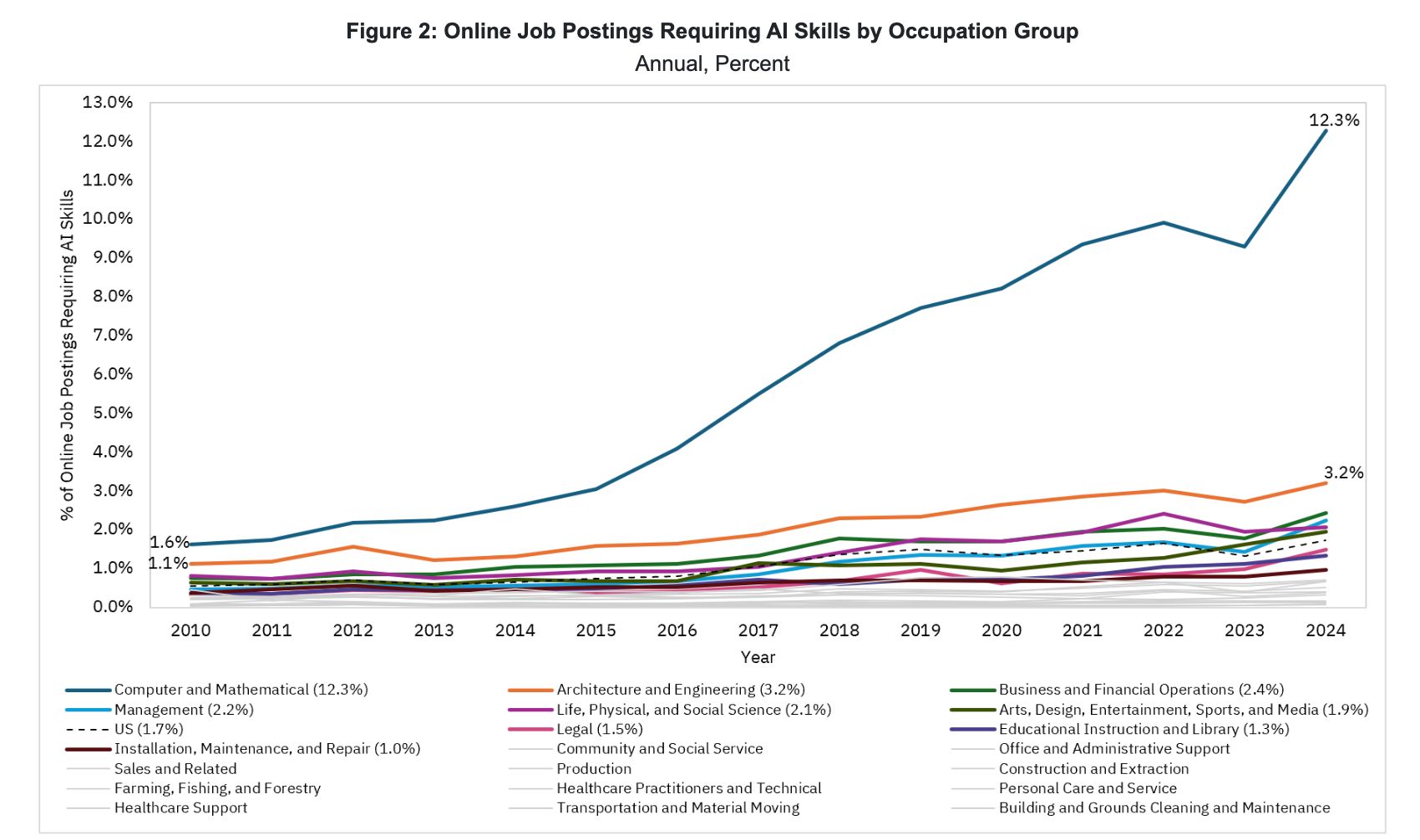
Source: Federal Reserve Bank of Atlanta.
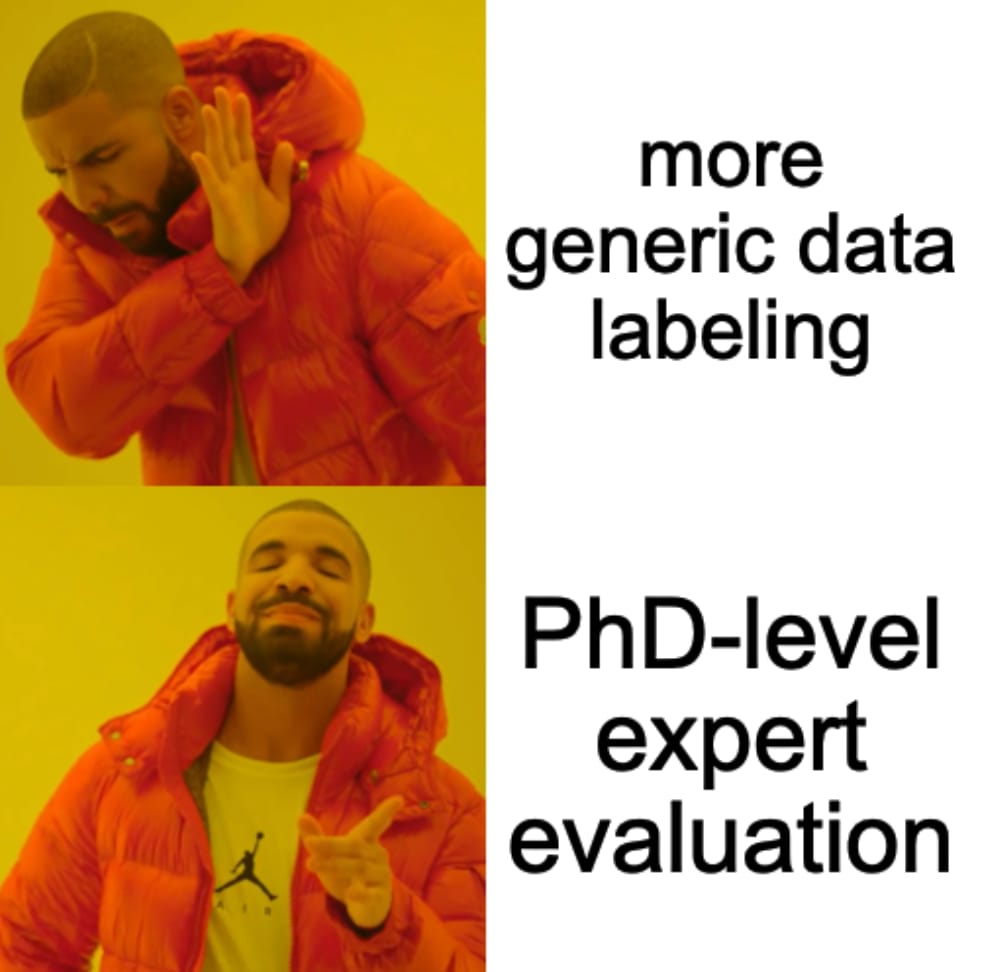
But the more interesting pattern is where models keep failing. Math reasoning. Physics simulations. Causal inference. You can't just throw more generic data labelers at the problem and expect improvement anymore. You need people who understand the underlying concepts, and there simply aren't enough of them in the world. It’s an arms race for talent.
Meanwhile, safety teams are drowning. Red-teaming a frontier model isn't something you can hand off to someone with surface-level technical knowledge. You need experts who can intentionally break things in creative ways, people who understand where vulnerabilities might hide before users discover them in the wild. And then there's the evaluation crisis. Everyone agrees that rigorous testing is critical, but most organizations don't have the talent or systems to actually do it properly. The gap between what companies want to validate and what they're capable of validating just keeps growing. So yeah, the pattern is there: better models require better data, and better data only comes from people with real expertise.
What stood out to you when you looked at the market?
The more I watched what was happening, the clearer it became that everyone was building on the same faulty assumption: that you could find all the expertise you needed in a handful of expensive cities. But the math doesn't work. Pre-training gets you a base model, sure. But the actual intelligence—the reasoning, the reliability, the ability to handle edge cases—that all comes from expert hours applied after the fact. And the supply of those experts in traditional markets is tapped out.
What the industry needed wasn't just another annotation platform. It needed infrastructure that could deliver genuine domain expertise at scale, with economics that let companies reinvest savings into making better models instead of just paying premium rates for the same scarce talent pool.
That's where we saw the opportunity. Latin America has the talent layer: deep academic expertise across every discipline that matters. Athyna has the infrastructure: years of experience sourcing, vetting, and operationally supporting global teams. Put them together, and you get expertise that can actually scale with economic efficiency that makes aggressive deployment viable.
Nobody else was building that bridge, so we did.
How does this change the game for researchers in Latin America?
This is the part that gets me most fired up. For decades, highly trained researchers in Latin America faced two shitty options: abandon your home country to chase opportunities abroad, or stay put and work on problems that barely scratch the surface of your capabilities.

Source: Athyna.
Athyna Intelligence is a third path that did not previously exist. Researchers can work on cutting-edge AI challenges from wherever they live, earn compensation that reflects global market rates, and contribute their expertise to technologies that will shape the next decade. No need to uproot everything. No need to settle.
It's fundamentally about democratizing access to one of the most important scientific transitions of our time. And based on everything we're seeing, this is just the opening act.
Extra reading
How Athyna Makes Remote, Work - January, 2024
We Raised $2.5M To Build Athyna AI - May, 2024
If You Ain’t AI First, You’re Last - November, 20925
And that's it! You can follow me on Twitter and LinkedIn, and also don’t forget to check out Athyna while you’re at it.
BRAIN FOOD 🧠

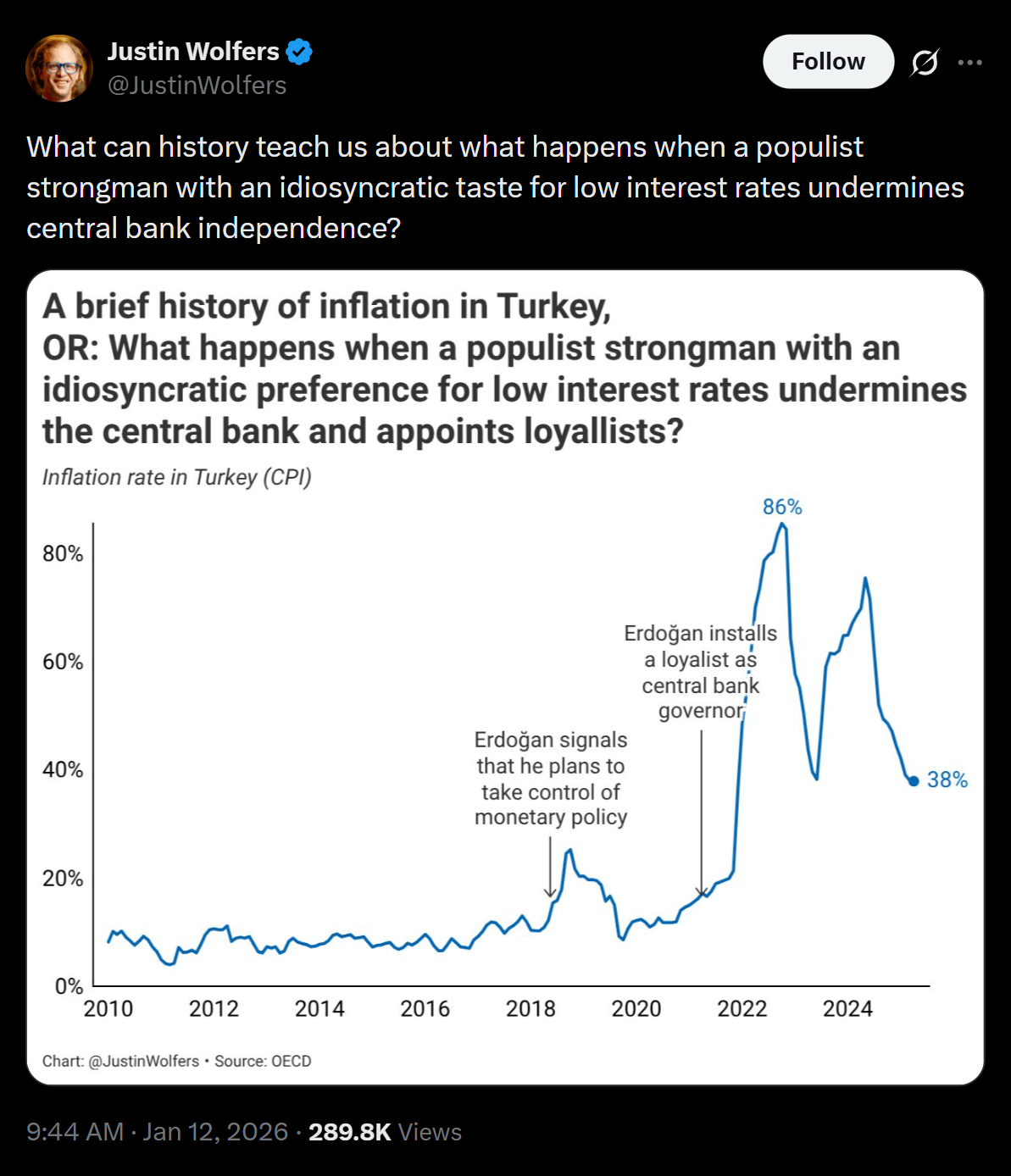
TOOLS WE RECOMMEND 🛠️
Every week, we highlight tools we like and those we actually use inside our business and give them an honest review. Today, we are highlighting Superpower*—a tool used by founders, leaders, athletes and more to optimise their health using AI.
 |
See the full set of tools we use inside of Athyna & Open Source CEO here.
HOW I CAN HELP 🥳
P.S. Want to work together?
Hiring global talent: If you’re hiring tech, business or ops talent and want to do it 80% less, check out my startup, Athyna. 🌏
See my tech stack: Find our suite of tools & resources for both this newsletter and Athyna here. 🧰
Reach an audience of tech leaders: Advertise with us if you want to get in front of founders, investors and leaders in tech. 👀
 |
Reply