- Open Source CEO by Bill Kerr
- Posts
- Rebuilding Enterprise Operations Software
Rebuilding Enterprise Operations Software
An interview with Wiley Jones, Co-Founder & CEO at DOSS. ⚙️

Bill Kerr
April 09, 2026
👋 Howdy to the 7,003 new legends who joined since our last edition! You are now part of a 352,922 strong strong tribe outperforming the competition together.
LATEST POSTS 📚
If you’re new, not yet a subscriber, or just plain missed it, here are some of our recent editions.
🌊 TBPN, Vibemogging & The Future Of Trust. How technology media is changing and how you can ride the wave.
💰 Investing In The Intelligence Age. An interview with Mercedes Bent, VC Partner at Premise.
⚡️ The World’s Hottest Industry: Post-Training. A look at the new industry taking the world by storm.

PARTNERS 💫

Lightfield is an AI-native CRM that just shipped Skills. Describe any workflow in plain English—account research, deal scoring, call prep, pipeline forecasting—and trigger it with one sentence. The AI agent learns how you work and runs the whole thing on command. 2,500+ startups already on the platform.
3 months free with code OPENSOURCE33

Framer helps teams design, build, and launch their marketing sites lightning fast. With the ability to publish hundreds of CMS pages in a single click, operate at a global scale with seamless localisation, and even host unified content across multiple domains, teams have never been able to ship faster. Trusted by companies like Miro, Bilt, and Perplexity.
Ship pages and updates faster without turning the site into a fragile set of one-off hacks.
Shift routine brand and marketing work out of product engineering queues.
Run real marketing systems (CMS, SEO, performance optimisation) with governance and collaboration.
Interested in sponsoring these emails? See our partnership options here.

HOUSEKEEPING 📨
I’m heading off on a one-week jaunt to Bali tomorrow, and looking forward to it. Not so much the Bali part; Bali is nice if you travel to the right places, of course, but just to chill out and do nothing for once. It’s not something that I get to do often, and my partner and I have a very nice villa with a pool, so the lounge chair is going to get an absolute hammering.

Ziggy and me.
It’s funny, I do definitely enjoy slower, less action-packed travel now compared to 10 years ago. Being 40 and being a decade into being a founder certainly ups the desire for doing sweet f*ck all, as we say in Australia. Anyway, we will keep releasing during my downtime, so don’t worry about that. For now, enjoy today’s interview!

INTERVIEW 🎙️
Wiley Jones, Co-Founder & CEO at DOSS
Wiley Jones is the Co-Founder & CEO at DOSS, an AI-native Operations Cloud that is rebuilding ERP software from scratch for companies managing physical goods. He studied mechanical and electrical engineering at the University of Illinois Urbana-Champaign before spending 18 months in China as a hardware engineer at Sprite Robotics, designing a robotic cat toy. It was there, watching a seven-person startup and iRobot's million-Roomba-a-year factory be equally strangled by the same rigid ERP system, that the problem crystallized. Back in Silicon Valley, he served as Head of Product at Athelas, where he watched medical providers manually comb through insurance claims because their systems were too inflexible to adapt.

Wiley.
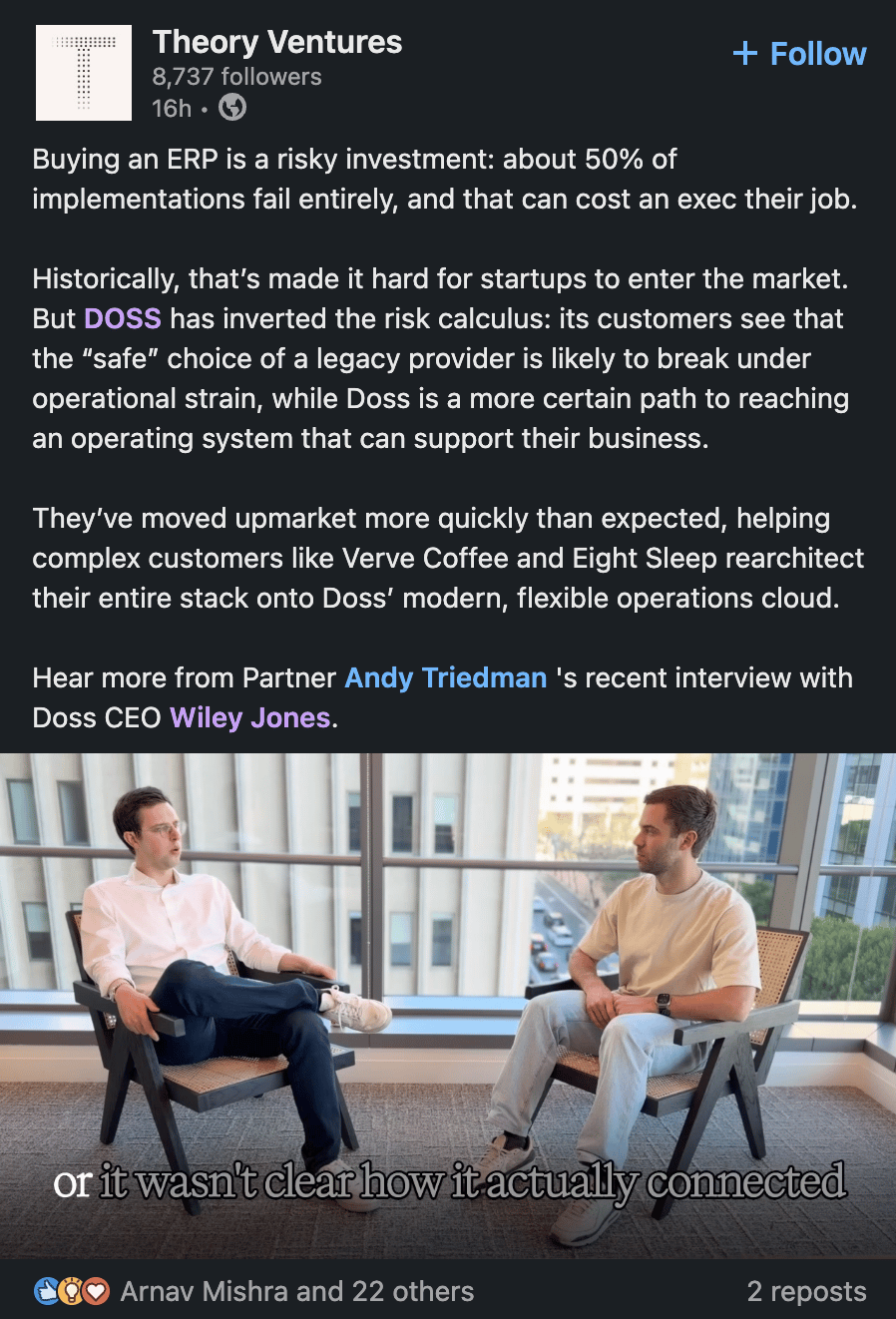
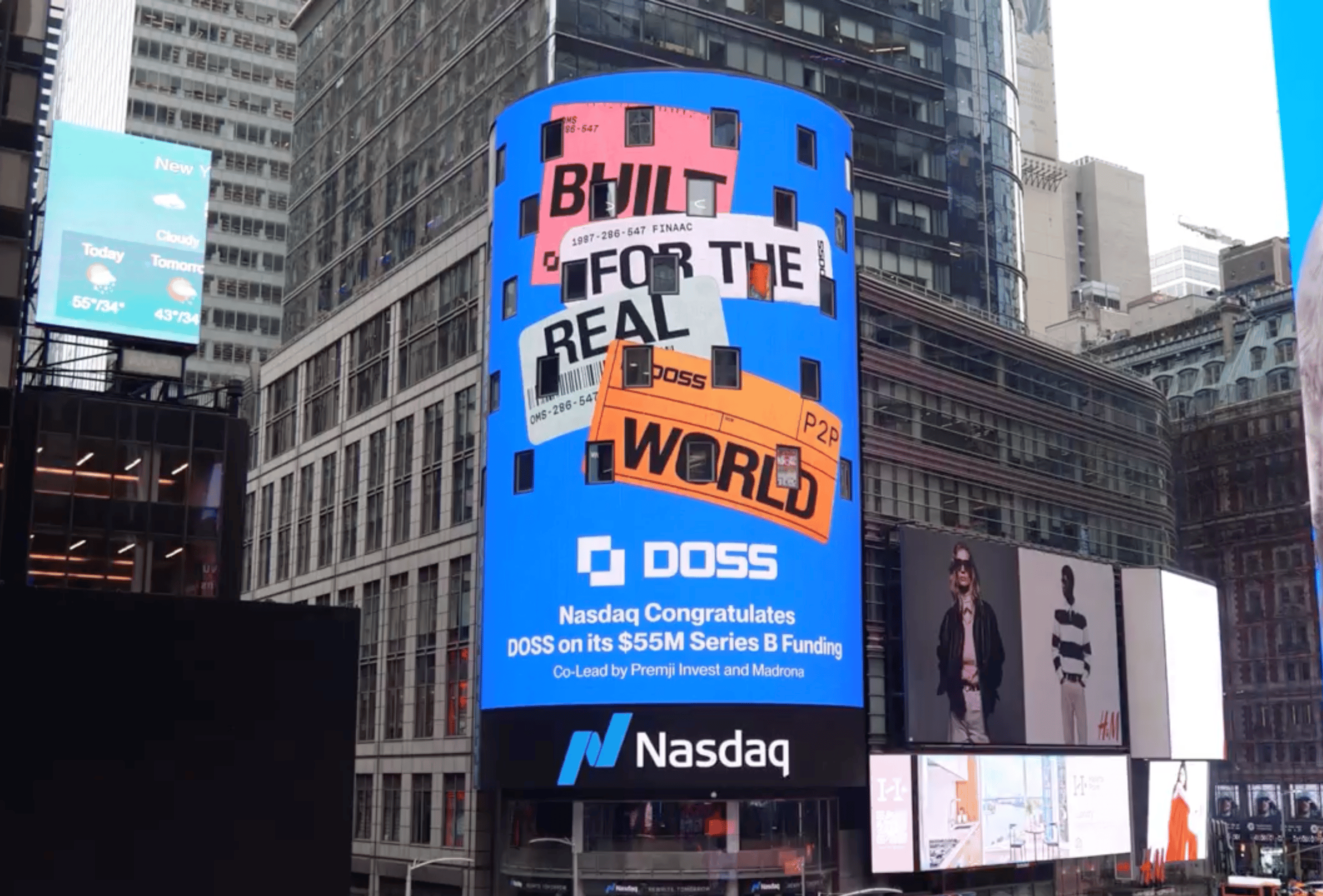
He co-founded DOSS in late 2022 with Arnav Mishra, a former founding engineer at construction finance startup Siteline. The company has since raised $73M in total funding, including a $55M Series B co-led by Madrona and Premji Invest, announced in March 2026, with backing from General Catalyst, Theory Ventures, and Intuit Ventures.
What’s the problem you're trying to solve with DOSS? Why this?
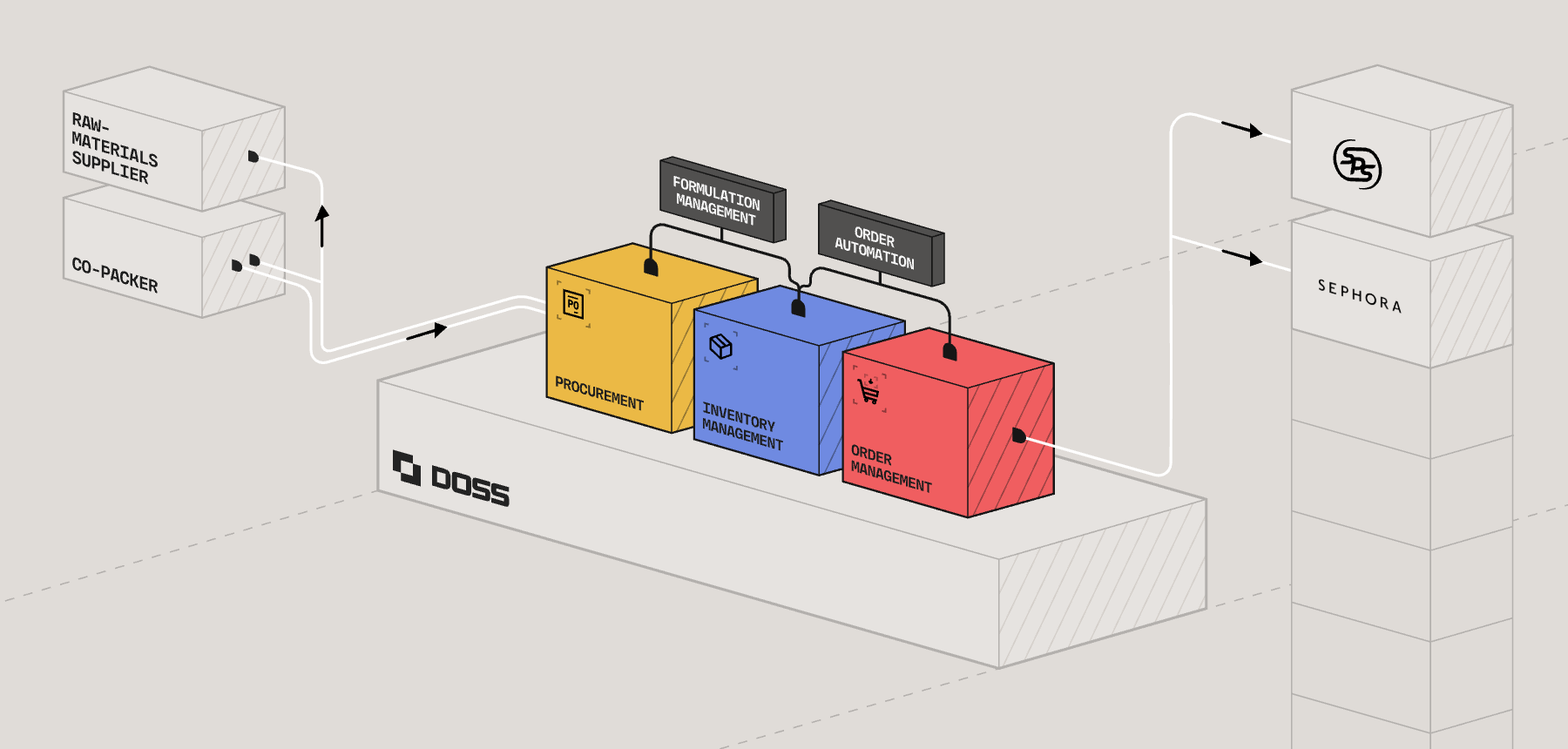
We started DOSS a few years ago because we wanted to focus on a subset of the market that I think is pretty heavily underserved. These are companies that are managing physical operations in some shape or form. A lot of times, people call these product-based companies or inventory-based companies, but really, you can think of it as any business that's buying and selling some kinds of goods and then trying to get those out and distribute them to their end customers in the real world.
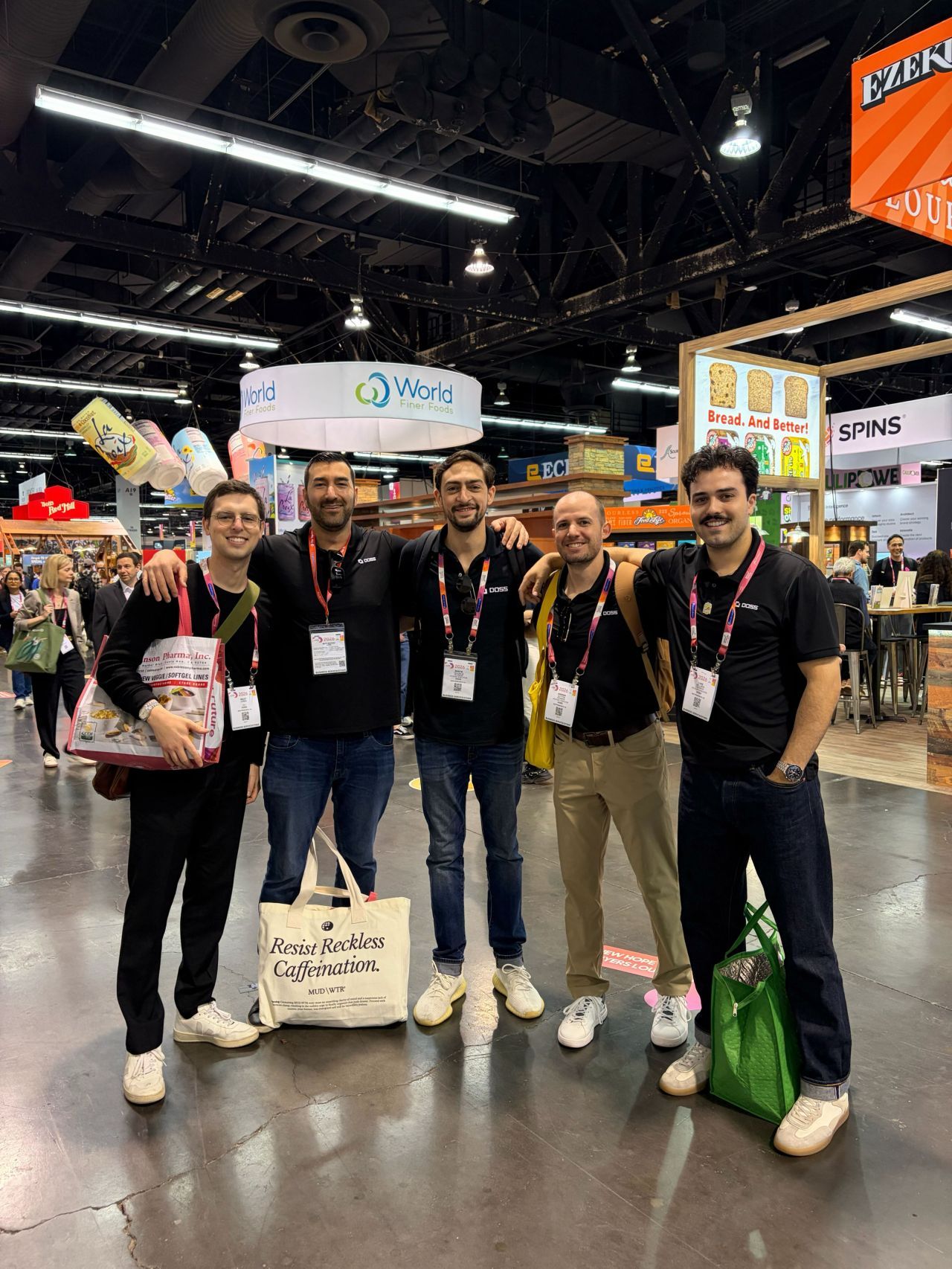
It's sometimes easier to disqualify what you don't help with, because it's such a wide and broad topic. But we tend to work with consumer goods companies (things you'd see in your grocery store or retail location), cafes, coffee companies, and construction businesses. | 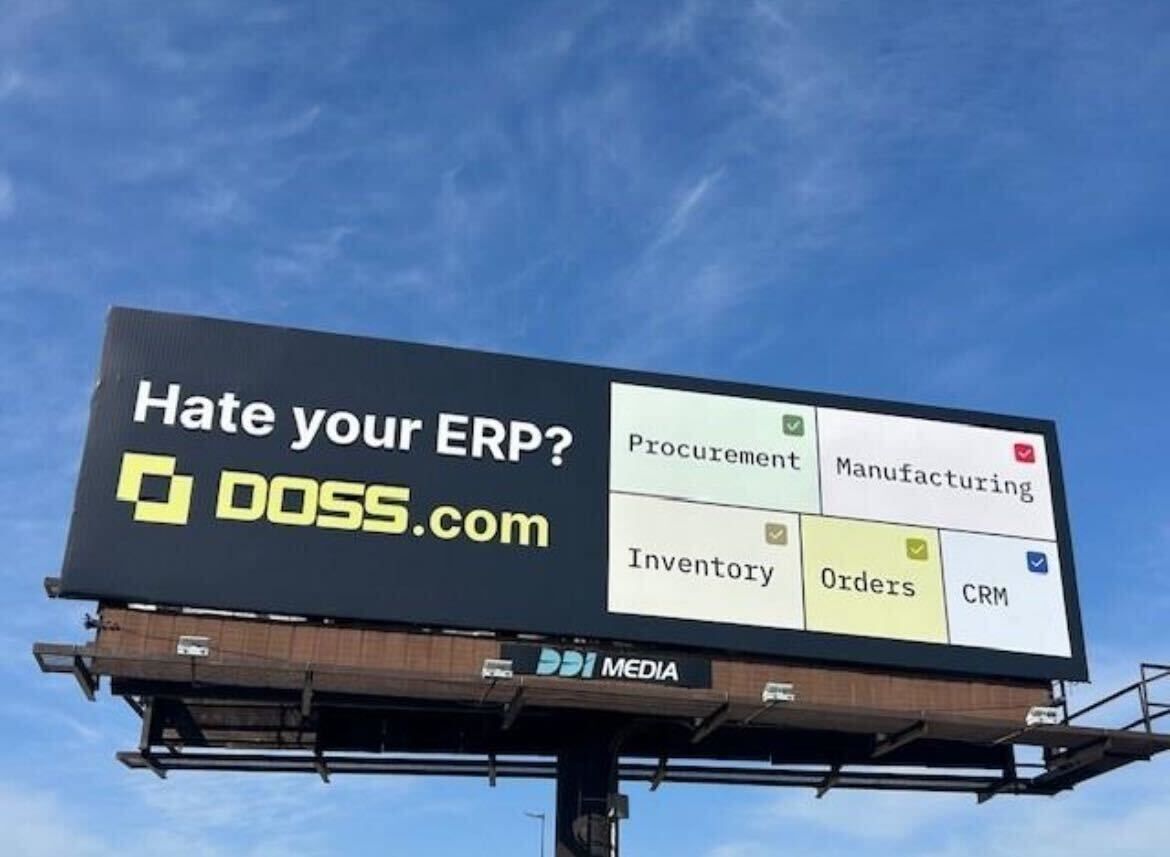 Viva Las Vegas. |
We're helping them manage the procurement of items into their business, the flow of goods out to their end customers, and tracking the data and dollars that connect all of that.
We also tend to focus on the small to medium-sized companies; the meaty part of mid-market. We don't really sell into large Global 2000 or Fortune 500 enterprises. We're much more focused on serving businesses that are making somewhere between $20 and $200 million in revenue, when they're growing rapidly and trying to figure out the tech stack they need to operate.
What was the most difficult thing when going from zero to one?
The unique component of what we do—and I want to frame this as our experience specifically, not advice—is that we actually knew exactly what we wanted to do, and we were basically right about it each step of the way. We had very few deviations from what we articulated when we started the company to what we actually ended up building.
The hardest problem in a company like ours is being correct about the implementation details and not making architectural mistakes and product mistakes when you're working on something so wide and so deep, but also known. We're not going out and inventing a new foundation model. We didn't have to engage in cutting-edge state-of-the-art research, but we did have to build a lot of stuff relatively quickly and try to do it, making as few mistakes as possible. So it's very much a clarity of thought and execution game, and finding people who can operate at a very high level technically means it then becomes a recruiting game. You have to find the right people, put them in the right roles, and focus them on working on exactly the right things.
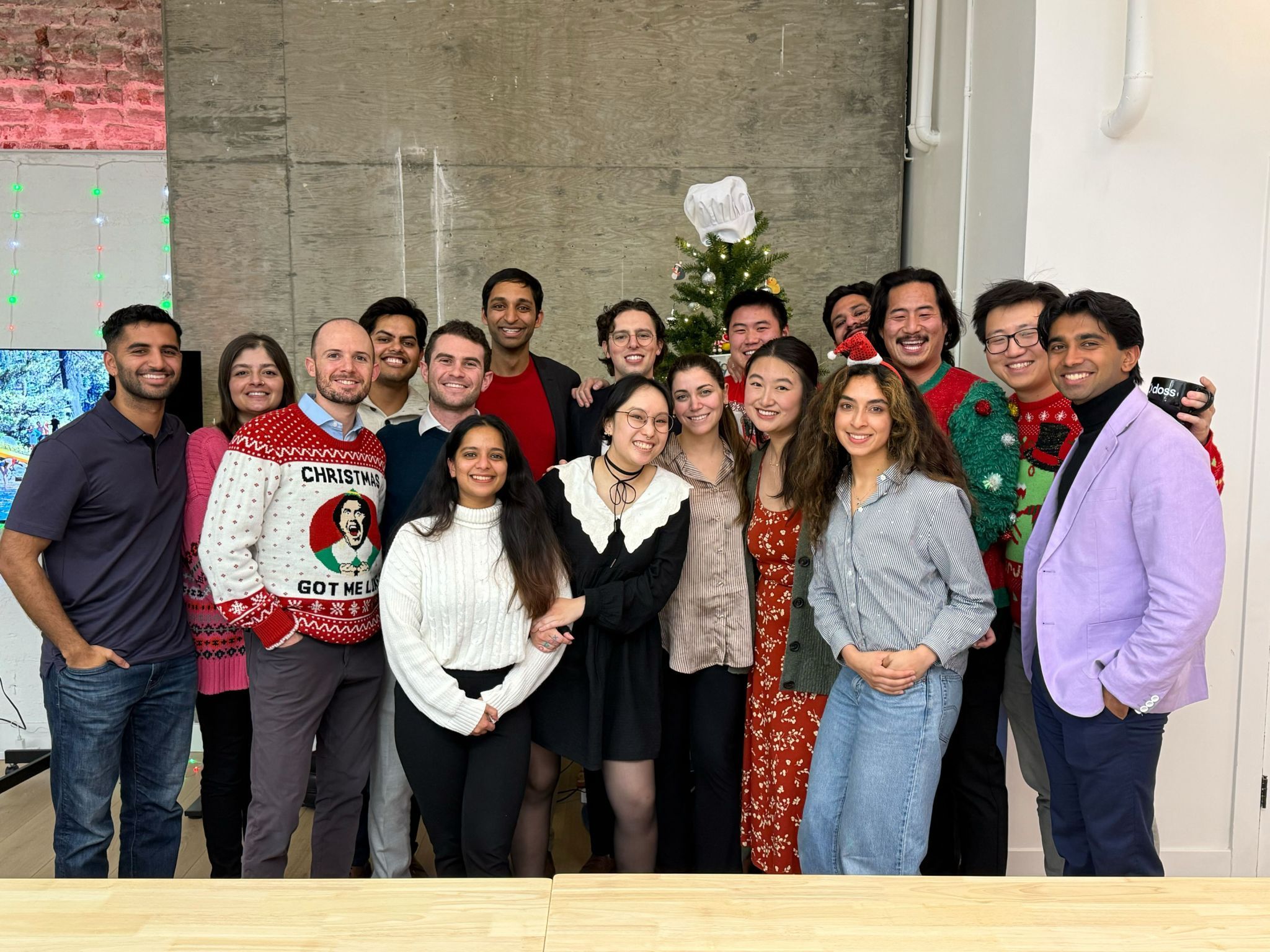
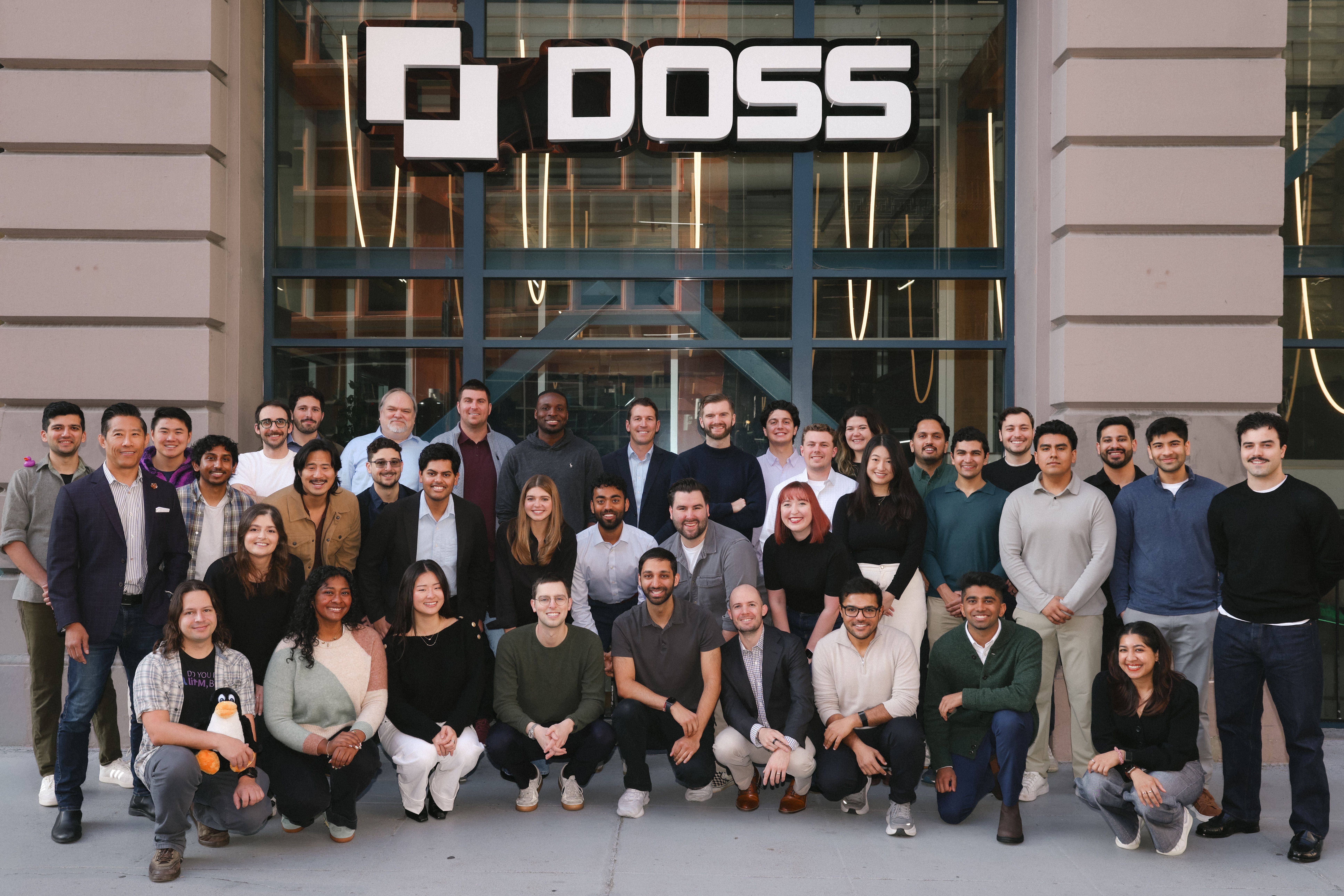
Christmas time with the DOSS crew.
I think it's easy to look at what we do and say you're just copying what's already out there and doing it better. But you do have to introduce quite a lot of novelty in how you synthesize these patterns to solve problems that are very poorly addressed in the market. In the case of inventory management, we had to build a system that's pretty composable so customers can adapt it to their actual needs, because supply chains are quite distinct. The standard approach in the market is extremely high levels of customization that can take years to implement. We found a few ways to make that a lot better and easier, but we were only able to do so because we had clarity up front about precisely what we believed the answer was.

Zero to one for us was about finding the right balance: having high conviction that we were right, executing for long enough to see the results through, and having the pain tolerance to go through each piece of that. Some companies have the exact opposite problem; they don't know what they want to do, they're trying to find sparks. We knew we were not in that boat. It was really just: carry the rock up the hill for as long as you can to the place where you can actually deliver on the vision you outlined at the very start.
How did you come to the SMB-to-mid-market ICP, and why not enterprise?
We didn't go in and sell to enterprises originally because they are qualitatively very different in what they look for in these products. You can make a decision early in your company's journey about whether or not you want to sell to very large lighthouse customers, use them as an amazing case study, build validation in the market, and then find a lot of other large enterprises like them. That totally works. But those companies will dictate your roadmap. They'll basically tell you what you need to build, and you'll lose a lot of control over the end product you deliver. You're designing each individual implementation around what these customers need you to do. It's just a completely different kind of company.
Our view was that we knew exactly what we wanted. We knew what we thought needed to exist, so go find the customers who have those problems and build the thing we want to build. When we first started, we were selling to companies doing five to $20 million in revenue, and as you mature your capabilities, you can move that window. We realized that the five-to-twenty range wasn't commercially strong enough, so we moved up. But we don't want to go above $200M generally, because the characteristics of what those companies look for when they do a full rip-and-replace of a system like ours. They're going to look for things we can't service today or don't want to, because they would be a distraction from the core business we're building.
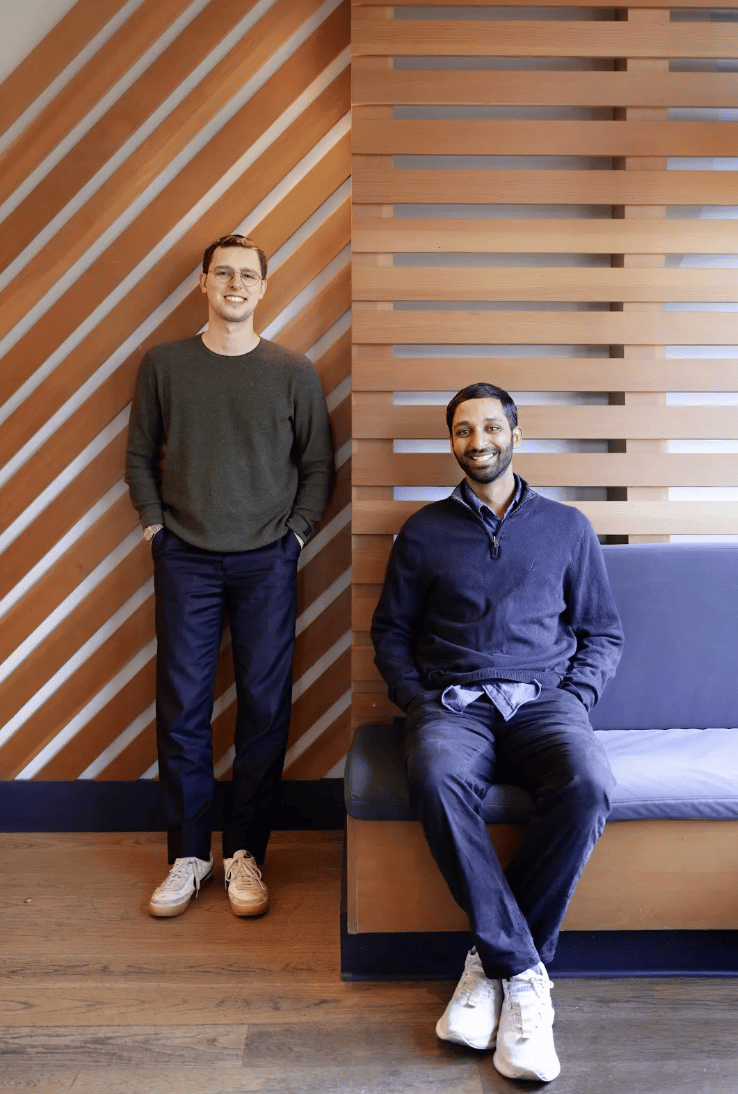 Wiley and Co-Founder, Arnav. |
It still comes back to the same answer: when you're defining your ICP, you either know what you want to build and who you want to serve, or you don't. If you do, you will make selective decisions. If you don't, you need to take what you've built and go figure out who wants it in its current form. And some companies don't need to be married to their ICP at all. If you're totally happy letting large enterprises dictate where you go with parts of your business, and it's directionally correct, who cares? It just totally depends on what you're building. The only clear, obvious answer is: don't try to do all of them. You have to be very selective and pick. Focus and energy are the only things a startup has a true advantage over a large incumbent; your ability to focus on solving a very specific set of problems. It doesn't have to be your ICP forever, but you need to start somewhere that is rigorously constrained.
Do you have a North Star metric?
I am not checking a single North Star metric. It's kind of a constellation. A single quantitative metric is not going to tell me how we're doing, and that's because of the stage we're at as a company. What I care about most right now is how many engineers we are hiring, what kinds, and what roles. Which individual leaders on our leadership team have been hired, and when they will be joining. There are probably three-ish leadership roles I'm currently searching for. And then there's literally doubling our engineering team, but inside of that doubling, it can't just be anybody. There are very specific qualities we're looking for. So on the talent side, I look at the inputs to that system and the outputs of it: how are we tracking over the periods of time we've been working on it?
Then I'll look at marketing pipeline generation, sales pipeline getting worked, and closed-won deals. Same thing on the post-sales side: how are all of our implementations going? And then the same thing for product development and engineering: what are we actually shipping, when are things shipping, and how do those map to the workstreams I care most about? A single North Star metric is pretty useless to me. I'm much more focused on identifying the five to ten things that qualitatively have to happen in the company for us to be successful, and basically ignoring everything else.
What’s your recruitment strategy?
It depends on what you're looking for and what stage you're in. 60% of the company today consists of people who know others inside the company—it came through our network. Smart people want to work with smart people. And that's a horrible, basically useless piece of advice. It's like saying how do you get good at basketball? Get good at basketball, thanks.
What's more interesting is recognizing the stages you're in on your talent journey. When we first started the company, my co-founder and I did everything we could to find a few people who would get us to the next chapter, and we did everything possible to get them in. A big part of that is creating a narrative that gives people conviction in what you're doing. If I were like, ‘yeah, we're working on some stuff, and we'll see how it goes, that would have been impossible to recruit with. Instead, we wrote out a lot of our original product strategy, and we were spot on. We were off on the timeline by about four months from what we actually delivered. And when we articulated that to people back then—people we even tried recruiting who didn't join—some of them have now come on board, because they're like ‘these guys know exactly what they're doing’. They're calling their shot over and over again.
A lot of recruiting is about telling a story and making sure you're telling the right story to the right people at the right time, and knowing what part of the story you're actually in. If you're a super small company with two people and you're spamming mass outbound and putting up paid ads on LinkedIn for jobs, you will not get anyone. Stop. You're burning money.
Now, if you're at our stage today and going to double the team size in the next year, I can't be running every single recruiting process; that would be stupid. However, I need to be doing that for executive talent. My job right now is executive recruiting. I'm spending an inordinate amount of time with people who have been public-company C-level executives, mining their networks, asking, “Who did you bring up? Who's the best person who has ever worked for you? What are they doing right now? How do I get them to quit their job and come work for me?” Figuring out where you are in your talent journey is actually the single most important thing you can be doing as a CEO, especially for a show about CEOs. The CEO's job is to tell a really clear story, achieve internal clarity, and attract people to this mission at every stage.
What does an executive hiring process look like?
There's a process. It's actually pretty simple to explain and very difficult to do. Like our VP of Sales says, “Sales is extremely simple, very difficult.” Hiring is the same. You have to get to know these people. You have to understand deeply what motivates them, why they do what they do, what they want out of life, what they want out of this next chapter, where they're coming from, and where they're going, and you have to be on that path for them. Because anytime you're hiring executives, these people have optionality. If you're hiring the executive that no one wants, don't hire them. Good executives will be very hard to hire. If they're really easy to get, you should think carefully about whether you want them. It's basically just building a relationship predicated on you sharing a view of the world that they have to buy into.
 |  |
For our company specifically, we only have true believers; we don't have tourists. There are a lot of companies that can get away with having tourists or mercenaries, and that's totally fine; it depends on what kind of business you are. Our business is way too hard for that. No one wakes up in the morning and thinks, "My God, I am just blessed. I get to work on enterprise-grade applications for supply chain management. This is the coolest thing ever." Now I do, but normal people don't. And the people who work here do, but no one here is normal. So you have to find people who truly believe what you're doing. That's us. Other companies need the high-flying geniuses, the deal guys, the 10x engineers who are mercenaries for hire. It just depends on what you do, knowing yourself, where you are, and where they are in their journey, and whether that fits.
How are you infusing AI into day-to-day operations at DOSS?
It's easy for me to spend a lot of time on it because I'm just so curious. It's consuming. And then what I do is really force people in our company to learn to do things differently.
A good example is our marketing and sales team. I have the whole company using Claude Code—and this was even months ago, before Anthropic skinned it and put Co-work on top. I was going to our sales and marketing team, showing them exactly how to start using it in their jobs. Even with someone on our marketing team who was asking about website edits, I just set it up for them and showed them how to use it. What kinds of questions would you normally ask me? Ask it instead. And now they're going in and making updates on how our CMS connects into the marketing site; something that normally an agency would be doing. Great, we fired our agency, because the people on our team can do it now, and they're actually faster.
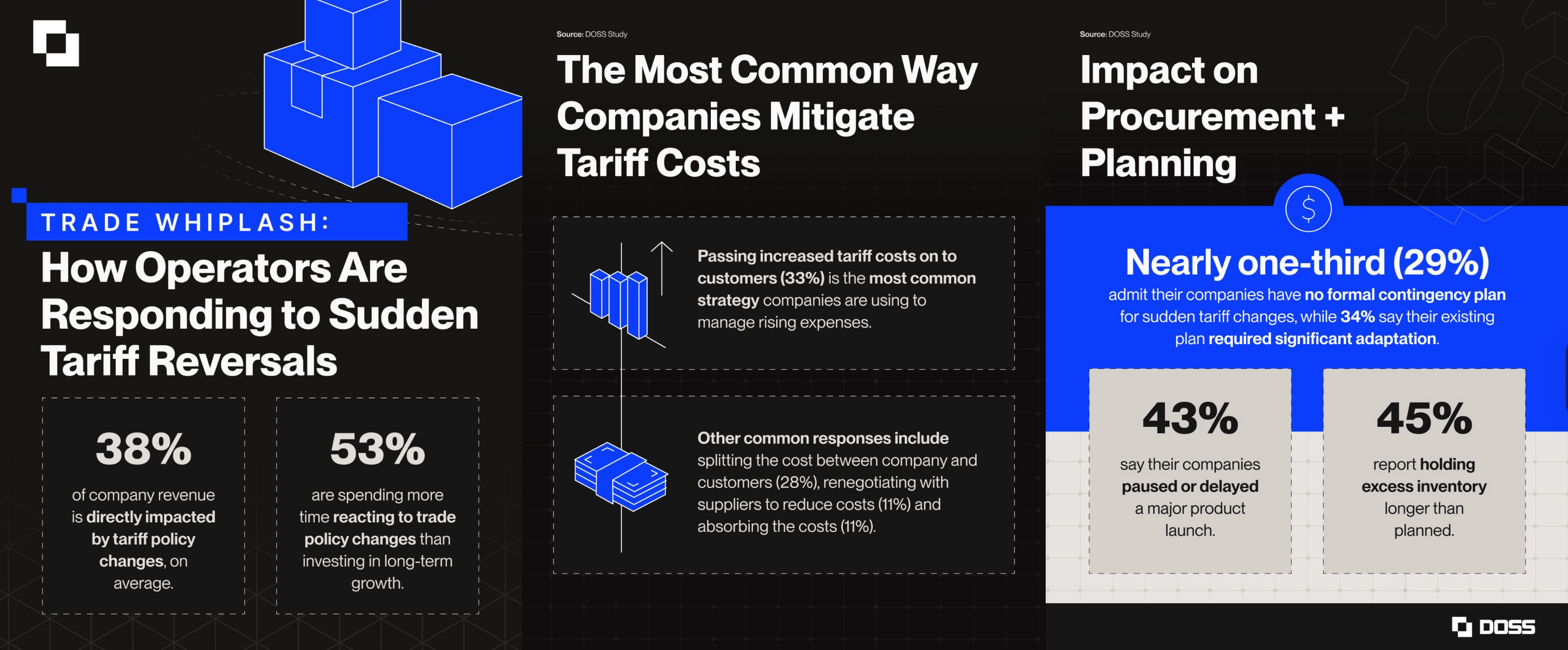
Source: DOSS.
It's holding people's hands to the stove and saying, “We will do these things, here is how we do them, I will help you, and once I help you, you are enabled to go do it yourself.” I think people underrate the amount of energy and aggression required to drive an organization through change. Treating AI not as a tool, but as a way of working—thinking about it through the lens of people having to rewire how they work—has been extremely helpful in driving productivity in areas where it normally isn't there.
How do you get the best out of yourself?
Either you crack and crumble under pressure, or you get better at stuff. That's life. My wife and I had a baby about ten months ago. People were like, " You're insane, you have a small kid, and you're scaling a company. And I'm like, “Yeah, and it's fine.” This is what you do. This is all you got. If you're not going to go all out, what's the point?
It's extremely easy to get demoralized running a company, especially a company that's a pain sponge like this one, where the gratification is very long. This is not a company that goes viral.
This is not a company where you get an amazing hockey stick graph. This is a slow, chugging, methodical thing, and you have to organize your life around that if you want it to work. So then it comes back to: have the conviction and resolve to believe in yourself and take action accordingly. I'll go to my parents, my friends, my family, and I'm like, here's my stack rank: good dad, good husband, good CEO, good to myself, try not to gain twenty pounds. |  |
And everything else below that, I'm sorry, I will not call you as much, but this is my priority list, and I have to be really aggressive about it.
I hear that a lot from other founders with kids who say it's just the same as having the company; it's just another thing, another slot of maximum commitment. And if you don't want to do that, if you want to have a company where you're like ‘hey, this is cool, I can work sixty hours a week, and I try hard, but it's not everything to me’; okay, great, hopefully that works. But I don't think that's that fun.
Extra reading
BRAIN FOOD 🧠
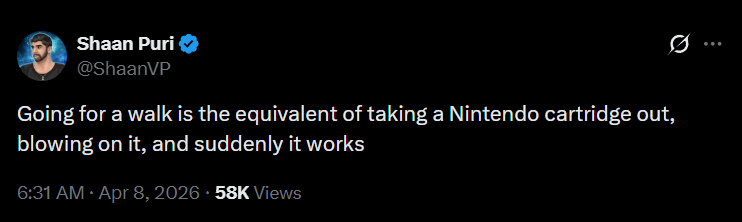
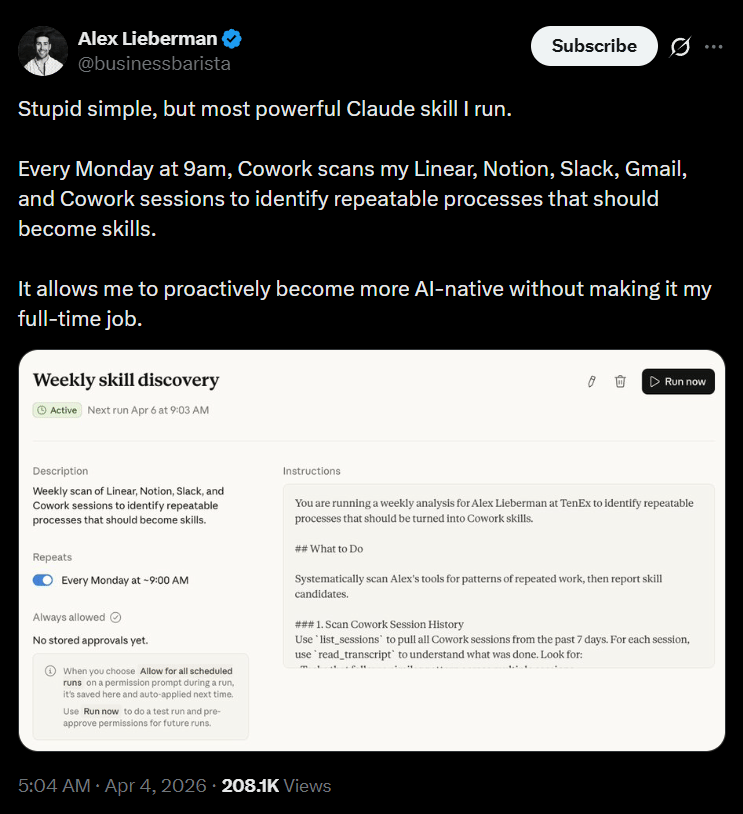
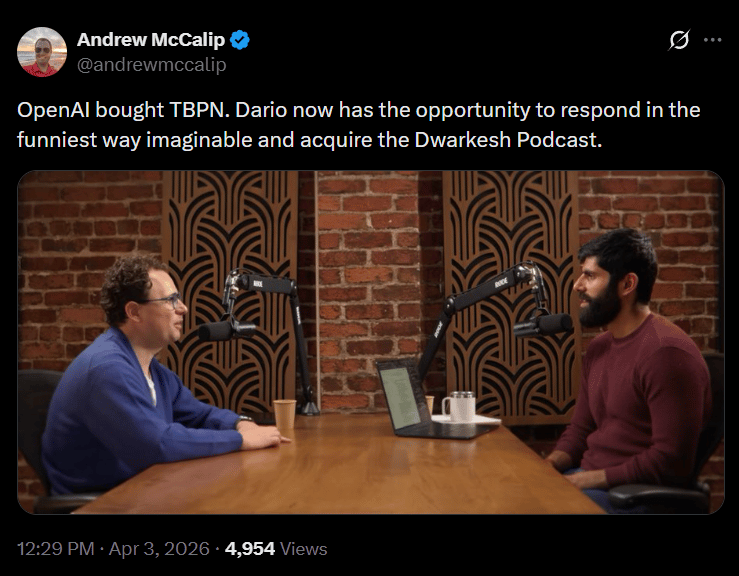
TOOLS WE RECOMMEND 🛠️
Every week, we highlight tools we like and those we actually use inside our business and give them an honest review. Today, we are highlighting Granola*—an AI-powered notepad that takes, summarizes, and organizes meeting notes without using intrusive recording bots.
 |
See the full set of tools we use inside of Athyna & Open Source CEO here.
HOW I CAN HELP 🥳
P.S. Want to work together?
Hiring global talent: If you’re hiring tech, business or ops talent and want to do it 80% less, check out my startup, Athyna. 🌏
See my tech stack: Find our suite of tools & resources for both this newsletter and Athyna here. 🧰
Reach an audience of tech leaders: Advertise with us if you want to get in front of founders, investors and leaders in tech. 👀
 |
Reply