- Open Source CEO by Bill Kerr
- Posts
- Collection: Getting The Best Out Of Yourself
Collection: Getting The Best Out Of Yourself
A collection of thoughts from a collection of leaders. 🌱

Bill Kerr
January 06, 2026
👋 Howdy to the 1,489 new legends who joined this week! You are now part of a 230,119 strong tribe outperforming the competition together.
LATEST POSTS 📚
If you’re new, not yet a subscriber, or just plain missed it, here are some of our recent editions.
❤️🩹 Dust Yourself Off & Try Again: Famous Founder Failures. If at first you don't succeed, try, try again.
🪄 Dark & Full Of Terrors (2026 Predictions). Pulling out the crystal ball and taking a stab at what's to come.
🧶 Five Examples Of Founder Scrappiness. Examples of digging in when times are tough by some of the greats.

PARTNERS 💫
Framer is giving early-stage startups a full year of the Pro Plan—completely free.

Framer is the design-first web builder that helps startups launch fast. Join hundreds of YC founders already building on Framer. What you get with this deal:
Fast, professional site—no dev team needed. ✔️
Scales with your startup—from MVP to full site. ✔️
Spots are limited—apply before October 31st to claim your free year. *Pre-seed and seed-stage startups. New Framer users only.
Interested in sponsoring these emails? See our partnership options here.

HOUSEKEEPING 📨
I spent the weekend visiting an old friend in Oaxaca, Mexico. The city is known for rich Indigenous cultures (Zapotec, Mixtec), killer cuisine (seven moles, chocolate, street food), artisanal crafts (mezcal, textiles, black pottery, alebrijes), stunning colonial architecture, and archaeological sites like Monte Albán. The best part, though, was our trip to the lucha libre, Mexico’s answer to the WWE.
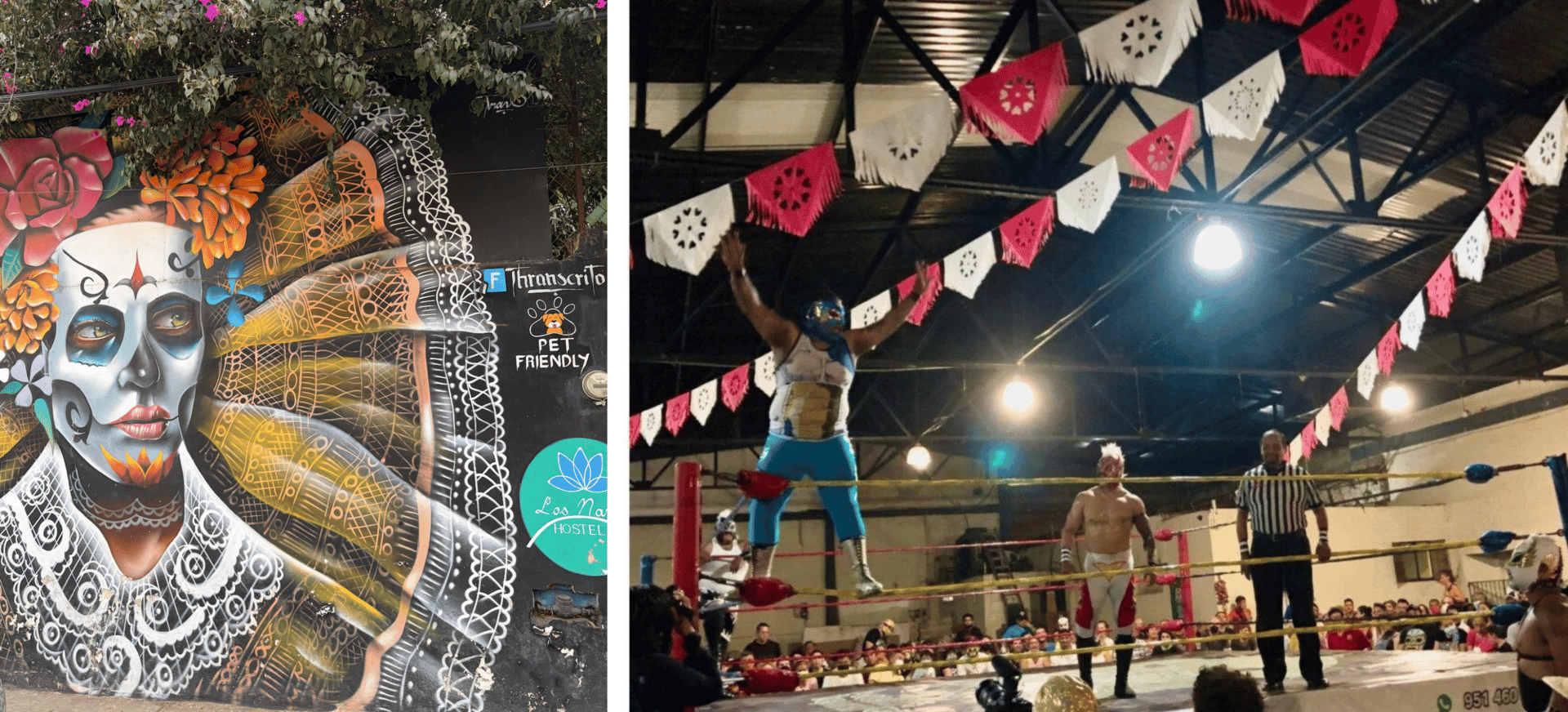
The absurdity of the event is 5x WWE wrestling, with 10x the passion. It’s quite a sight to behold. If you are looking for a place to visit in Mexico, I highly recommend Oaxaca, as it’s as authentically Mexican as it gets. Something that many tourist traps could only dream of. Now, onto today’s piece.

COLLECTION 👨👩👧👦
How Do You Get The Best Out Of Yourself?
Startups have a way of pulling everything out of you: long hours, constant decisions, and a steady background noise of stress. The work doesn’t stop, and neither does the pressure. If you don’t look after yourself, the business usually lets you know.
Today, we asked a group of founders and leaders a simple question: What do you do to stay effective, healthy, and clear-headed while building? Let’s dive in.
Des Traynor, Co-Founder & Chief Strategy Officer at Intercom
Over time, I’ve become really aware of what gives me energy and what drains it. I think about a lot of life through the lens of energy management—how do I stay in a place where I’m not feeling burned out or depleted? Everyone’s different. Some people get energy from public speaking; others find it exhausting. Some thrive in workshops and whiteboard sessions, others prefer solo deep work. For me, I’ve tried to keep track of what fills me up and what takes it away.
I even think about the people I work with that way. There are people I’d call ‘batteries not included.’ They walk into a room and drain the energy from everyone else. So the shortest answer to how I get the best out of myself is that I optimize for energy.

Dessie.
I want to be at Intercom. I want to do this job. I want Intercom to succeed. So it’s not about finding motivation, it’s about making sure I have the energy to deliver.
And when something does drain me—whether it’s a type of task, a conversation, or a dynamic—I look at it in two ways. Option one is to try to eliminate or delegate it. Talk to my manager or a teammate and figure out a way to move it off my plate. But often, that’s not possible. So option two is to get good at it. Sometimes that means learning how to have tough conversations, or how to do focused desk research, or how to stand up and give hard feedback in a room.
And a lot of times, the resistance you feel isn’t about the task itself; it’s about something deeper. Maybe you had a bad experience with a manager in the past. Maybe you’re still carrying that, and it’s making a normal part of leadership feel harder than it should. In those cases, the work is personal. It might involve journaling, therapy, or just figuring out why a seemingly small thing hits you so hard.
At the end of the day, leadership isn’t just about good news and pay raises. It’s about doing hard things you might not be naturally wired to do. I’m always wary of people who try to dodge the hard parts of leadership. The truth is, sometimes it just hurts. And you still have to do it anyway.
*To see our full interview with Des, head over here.
Brian Hale, Chief Growth Officer at DoorDash
It starts with prioritizing physical and mental health. I’ve become much more disciplined about working out, lifting weights, and generally taking care of myself. It might sound unrelated to work, but in a high-pressure role, that foundation is everything. You can’t lead effectively if you’re running on empty.
Professionally, I apply that same discipline to how I lead—being intentional with goals, reviews, and especially feedback. One of the most valuable lessons I’ve learned is that being too nice can actually be harmful. | 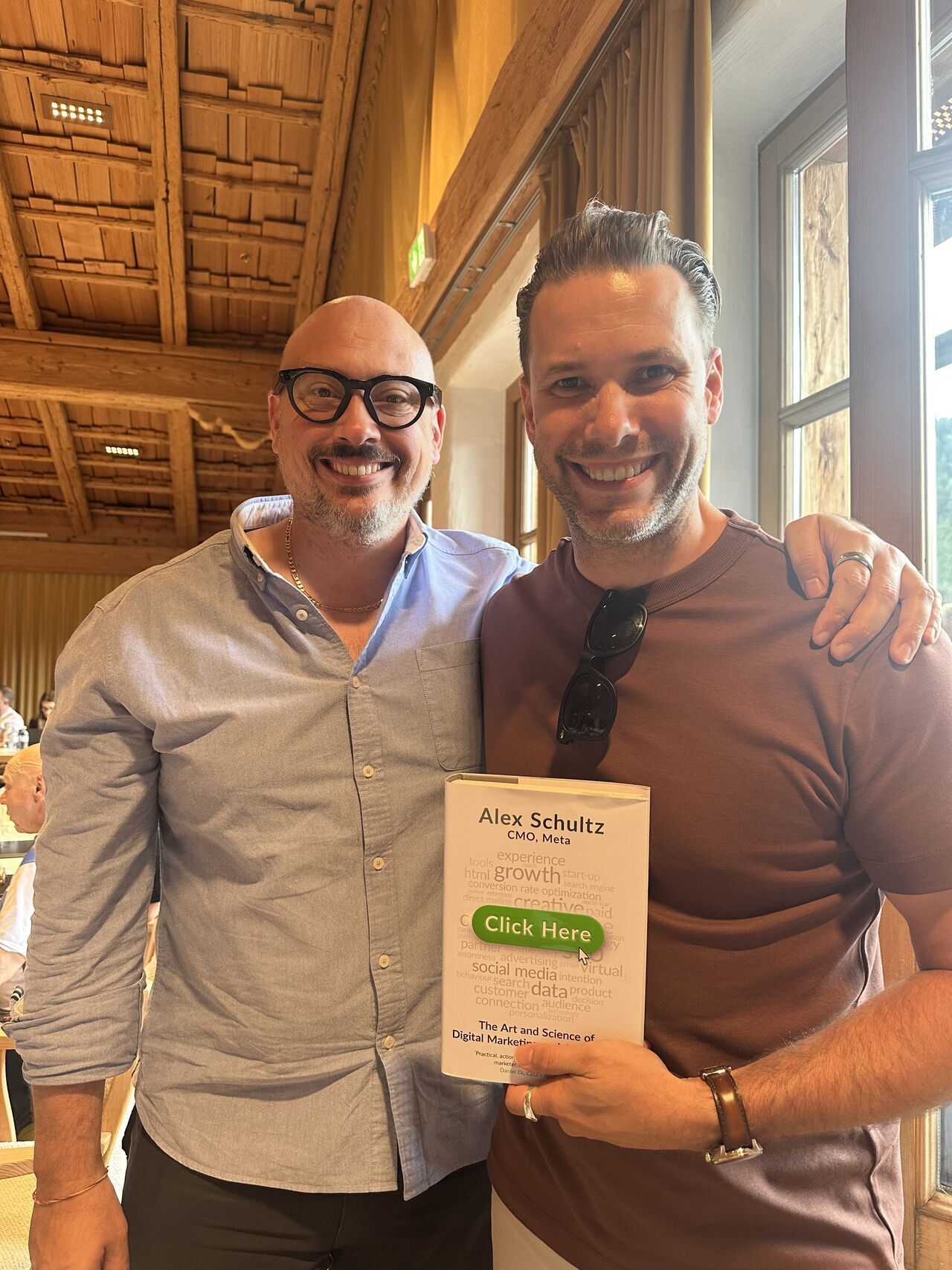 Brian on right. |
So at the core, it’s about two things: taking care of my health and leading with clarity. That’s what helps me stay sharp and show up for my team consistently.
*To see our full interview with Girish, head over here.
Anish Dhar, Co-Founder & CEO at Cortex
Personally, I think it's a few different things. One, I have a really close relationship with my co-founders, and I think that's a very important part of our journey at Cortex, because there's no one who really understands what you're going through like your co-founder. When you're on the same wavelength and can talk about problems across the company and just have really open, honest conversations, it really strengthens the culture and also just makes you a more effective leader because you can give each other feedback and be very open about it. Generally, that's the kind of culture that we've tried to embody in Cortex—to be very open and give feedback when needed.
The other thing is just having a set of founders who might not even be in the same industry, but just in different parts of their journey. It's funny—even founders who have nothing to do with developer tools or engineering or whatever, it's funny how many similar types of problems you go through. Just classes of problems around hiring, culture, and performance, or whatever it is. I think it's important to sometimes have that as a gut check.
Then I think different founders have different views on this, but I was very intentional about the types of people who invested in Cortex and who served on our board. I think I actually have a really good relationship with our board as well, where I can call them and pretty much talk to them about anything around the company. It's a very high degree of trust. I'd say those are the three things that I use.
*To see our full interview with Anish, head over here.
Joseph Krause, Co-Founder & CEO at Radical AI
Discipline. I served in the military, and discipline is one of life’s keys. I run the same schedule most days. Personally, everything starts with discipline, and it bleeds into how you operate professionally. I constantly ask: Am I the best version of myself, and where can I improve? There’s always something to improve. Tackle it and move on to the next. Do that forever, and you’ll always be improving. The day you stop learning and improving is the day you stop growing.

No leader in the world knows everything. The one who thinks they know everything is probably wrong. I keep a learning mentality, and discipline helps me execute across what matters, so I’m disciplined across the board, personally and professionally.
*To see our full interview with Joseph, head over here.
Surojit Chatterjee, Founder & CEO at Ema
Great question. I think the first thing is, in terms of mindset, I always feel there’s a lot for me to learn and I’m never fully satisfied—never ‘too happy,’ which drives me toward continuous improvement. That constant sense of ‘how can we do better?’ is baked into our culture: improving the company, our processes, the people, and ourselves.
We put that into practice in hiring. We deliberately seek out people who are better than our current team—and better than me—in one or two dimensions. I’m always looking for those E-shaped folks who can do many things but truly excel in specific areas, because I can learn from them every day. And it doesn’t stop at senior leaders; I’ll go to junior team members—someone who’s done customer success for years, for example—to understand their craft and absorb their expertise.
That humility—being open to new ideas, constantly learning from everyone around you, and building a network of people who teach you—is what keeps me at my best, both personally and professionally, even when the pressure is on.
*To see our full interview with Mark, head over here.
Patrick Thompson, Co-Founder & CEO at Clarify
One, I have two kids and a wife. So I definitely do have a life outside of work. I try to prioritize as much quality time with my family as possible. I have hobbies that tend to recharge my batteries. So I like to fish, I like to do poker, I like to do yoga. If I do those things at least a couple of times a month, I'm usually pretty happy.
I need to get better at, I'd say, taking a vacation. However, I genuinely love what I do and enjoy spending my time with the team and our customers. But I think all in all, those are the things I tend to focus on—family, hobbies, health. If I do that, I'm in a better spot. If I don't do those things, then I tend not to operate at my best.
The only other recommendation I'd give to other founders is just to build yourself a support group, a peer group of other founders. I tend to meet with a number of founders every other week or so. Sometimes I'm meeting one-on-one, sometimes I'm meeting with a group of four or five other people. |  A happy bunch of Vegemites. |
That's super helpful just to talk to other people going through the experience. Being a founder is, generally speaking, a super lonely experience, and there aren't many people who can empathize or understand some of the problems and challenges. So it's really good just to fill that support group with other founders.
*To see our full interview with Patrick, head over here.
Matt Martin, Co-Founder & CEO at Clockwise
That's a really good question. There are some trite, canned answers that really are true, but everybody says them because they're so valuable. I always make space in my day for a workout. I try to get outside. I try to take a walk to be able to clear my head. I try to make sure that I can spend time with my family. The more interesting, longer answer is that it's been a journey. I've been doing this for eight years now. I think that early on in my founding journey, I got connected with a founder in a bit of a mentor context because he'd been through it a few times. He said something that I appreciated at the time, but not nearly as much as I appreciate it now, having been through the wringer.
He was saying, "Look, you're at the start of your journey, and you're sailing an ocean, and it's going to be full of waves. And the distance you travel is going to be way longer, the bigger those waves are. So if you can control the waves, the ups and downs, your journey's going to be easier, because you're going to be wasting less time going up and down." What he meant is the psychological waves, controlling your own mental cycles and getting a bearing on them.
It never goes away. I think that if you're in this world, you're probably competitive. You probably have a screw loose, and you take the losses hard, and you take the wins with a lot. But what I've gotten good at or better at, at least, is observing the waves instead of riding them. I can see them. I can see the ups and downs, and I'm a little bit better about not being so fucking in them.
*To see our full interview with Matt, head over here.
Jessica Pillow, Head of Total Rewards at Deel
I take my work seriously, but I don’t take myself too seriously. After 20 years in this field, across different industries and through IPOs, there’s not much that surprises me. I keep a positive, optimistic, and calm mindset, and I remind myself that everyone comes to the table with their own perspective and agenda; it’s never personal.
I’m not someone who meditates daily or reads a stack of self-improvement books. What motivates me is doing meaningful work, solving problems, and constantly looking for ways to optimize so I’m not stuck in purely tactical tasks. I try to approach challenges with curiosity and a focus on innovation, while keeping things chill so I can maintain perspective. |  Deel-icious donuts. |
I’m also a people person, and since this work directly impacts people, I find a lot of joy in conversations about how I can make a positive difference for them. That balance of staying relaxed, staying connected, and staying focused on impact is what helps me bring out my best both personally and professionally.
*To see our full interview with Jessica, head over here.
Girish Redekar, Co-Founder & CEO at Sprinto
Honestly, I’m a bit old-school about this. I focus on doing the boring things right—the daily habits that compound over time. I try to be disciplined and present, which really means showing up and taking as many shots as possible. Startups involve a certain amount of luck, but I believe a lot of that luck comes from simply being there, every day, not losing enthusiasm even when you’re moving from one failure to the next. So I don’t have anything profound to share—just that I stay consistent, disciplined, and focused on showing up. That’s what works for me.
*To see our full interview with Girish, head over here.
Mark Laurence, Founder at Ten Past Tomorrow
My personal systems and habits are really quite boring. But I was taught from a young age by my parents that the fundamentals were simple. Get good sleep. Do regular exercise each day. Eat well. So I just focus on those things, and it seems to work for me. I don't actually consider running the business to be pressure-filled most of the time.
I'm lucky enough that I genuinely love what I do. I'm fascinated by the intersection of AI, people, and business. It's a real joy to run this company and see the effects it has on clients. Challenging myself and the company to push boundaries is definitely part of Ten Past Tomorrow's mission. The big goal here is to spread AI literacy, skills, and cultural transformation as deeply and widely as possible through the business community. I genuinely believe it's one of the most important things the world needs right now. They’re big goals that are a lot of fun to chase!
*To see our full interview with Mark, head over here.
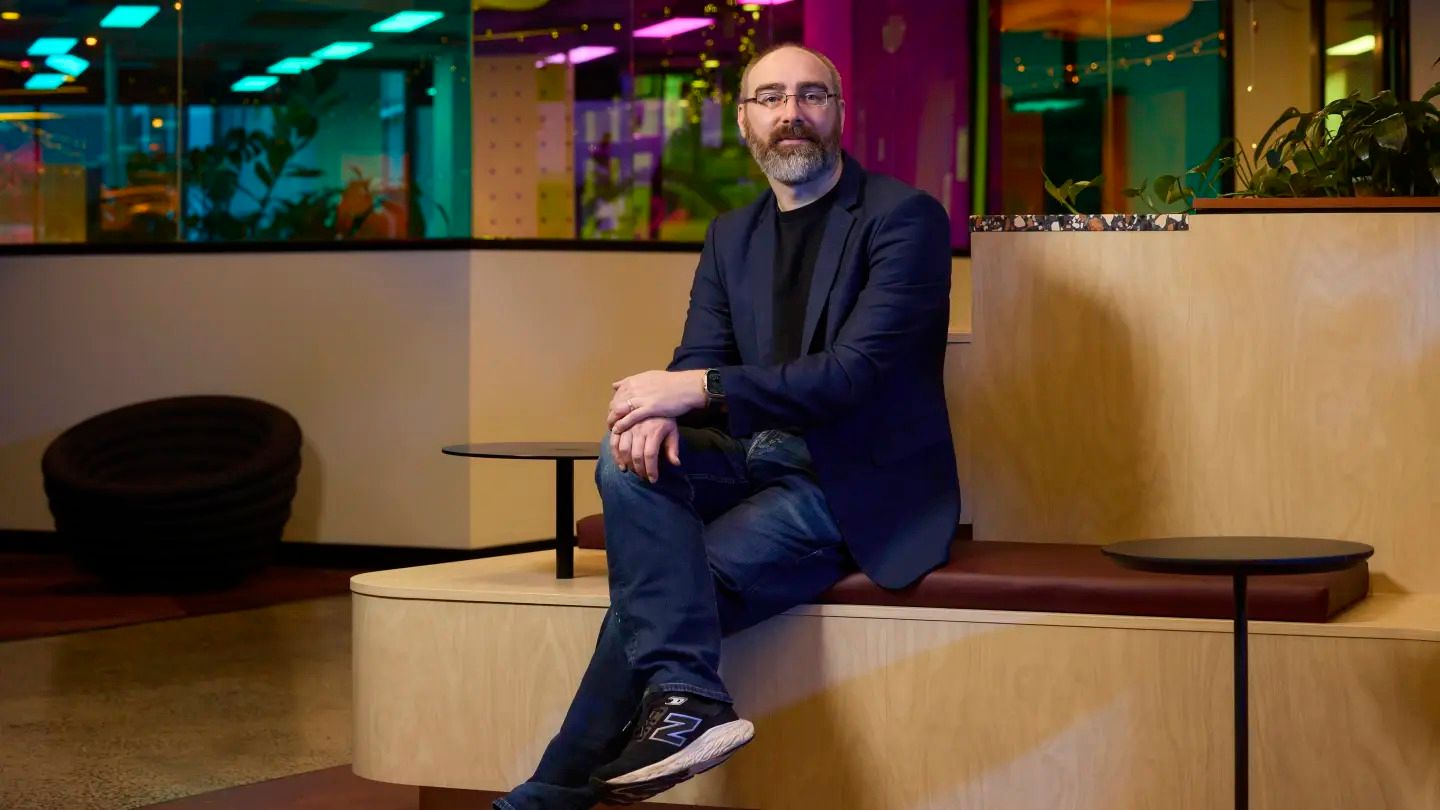
That's a very good question. To get the best out of yourself, you need to stay healthy and motivated, both in your work life and personal life. There are many ways to approach this, but one key for me is staying motivated.
Every morning, you wake up and sometimes feel like hitting the snooze button and going back to sleep. In those moments, there's a specific motivational technique I use: get up, get dressed, and make the bed. It sounds simple, but this small action sets the tone for the rest of the day. If you live with a partner or family, giving them a hug and saying good morning also helps get you going and reminds you of your purpose.
Source: Australian Financial Review.
Another thing I do every morning is write down six things I want to get done that day. Some people write down seven or ten, but over the last 30 years, I've found that six works best for me. I write them down on a piece of paper or in my phone because the act of writing helps prepare you psychologically to accomplish those tasks. Throughout the day, between meetings and other activities, I refer to my list to stay on track. By the end of the day, I try to check off those items and then do a little retrospective to see how I did. I ask myself if I achieved my goals and consider what adjustments I need to make.
I also ask my team to post a retro in Slack every day. In the morning, they share a few notes on what they plan to do, and at the end of the day or week, we review their progress. This simple structure helps everyone stay motivated and productive.
Being a nice person is equally important. If you're friendly and engage positively with everyone, it creates a reciprocal atmosphere of goodwill and motivation. When you're nice, people are nice in return, making it easier to achieve your goals.
So, to sum up, the two key tools I use are: be nice to people and make a list to check against. This structure is enough to keep you motivated. Start your day with a small, achievable task—whether it's making the bed, drinking a glass of water, or spending time with your loved ones. This sets a positive tone for the rest of the day.
*To see our full interviews with Dom, head over here and here.
In sum
How you show up as a leader sets the tone for everything else. Energy, focus, and burnout all travel fast inside an organization. When you take care of yourself, your team feels it, and the work benefits too.
And that’s it! You can also find all of our original interviews with all the founders and leaders above here.
BRAIN FOOD 🧠

TOOLS WE RECOMMEND 🛠️
Every week, we highlight tools we like and those we actually use inside our business and give them an honest review. Today, we are highlighting Framer*—the site builder trusted by startups to Fortune 500.
 |
See the full set of tools we use inside of Athyna & Open Source CEO here.
HOW I CAN HELP 🥳
P.S. Want to work together?
Hiring global talent: If you’re hiring tech, business or ops talent and want to do it 80% less, check out my startup, Athyna. 🌏
See my tech stack: Find our suite of tools & resources for both this newsletter and Athyna here. 🧰
Reach an audience of tech leaders: Advertise with us if you want to get in front of founders, investors and leaders in tech. 👀
 |
Reply